
Insurance guides
Protecting Your Manufactured Home in Plano TX.
Disclaimer: Data Accuracy and Sources
The data in the Covertree Resources section is from publicly available sources last updated in December 2022. We provide source links for verification. However, we can’t guarantee accuracy. Rely on this data at your own discretion. For specific advice, consult professionals.
Welcome to Plano, Texas -a modern city with timeless charm in the Lone Star State!
Nestled within the bustling heart of the Dallas-Fort Worth Metroplex, Plano is far more than just a suburban retreat; it stands as a city of distinction, of progress, and of community spirit. Its skyline, though modern, is punctuated with spaces that speak of history, culture, and a commitment to the environment. Over the years, Plano has gracefully transformed from quiet farmlands to a dynamic urban center without losing its soul in the process.
Plano’s origins trace back to the early 1840s, with the arrival of settlers attracted to the rich farming land offered by the blackland prairies. The arrival of the Houston and Central Texas Railway in the 1870s accelerated its growth, with the city becoming an important commercial center. As the decades rolled on, Plano transitioned from its agrarian roots, embracing modernity and urbanization while preserving key elements of its storied past.
The city’s economic significance is undeniable. As home to several leading global corporations, including the likes of Toyota North America, Frito-Lay, and J.C. Penney, Plano is a powerhouse, driving innovation and commerce. Its robust business environment is complemented by an educational framework that champions excellence, with the city’s schools often garnering accolades. Yet, amid its corporate skyscrapers and modern architecture, Plano’s heart beats with culture and recreation. The historic downtown district, with its quaint boutiques, eateries, and the Interurban Railway Museum, is a delightful walk through time. The Courtyard Theater, a former gymnasium transformed into a state-of-the-art performance venue, showcases the city’s commitment to the arts.
Nature lovers aren’t left wanting. The Arbor Hills Nature Preserve, spread over 200 acres, is a testament to Plano’s dedication to the environment. With its vast trails, playgrounds, and observation tower, it offers a serene escape from city life. Bob Woodruff Park, with its picturesque lakes and trails, provides another haven for those seeking solace in nature.
Plano is also a city of festivals. Events like the Plano International Festival and the Plano Balloon Festival paint the city in vibrant hues, celebrating its diverse community and offering spectacular sights and experiences.
One of the lesser-known facets of Plano is its intriguing legacy in cinema. The city served as a backdrop for the 1980s television drama “Dallas.” Moreover, the city’s commitment to preserving its historical sites is evident in places like the Heritage Farmstead Museum, which provides a glimpse into life on the Blackland Prairie in the 1890s.
In summation, Plano, with its harmonious blend of the modern and the historic, the corporate and the artistic, the urban and the natural, stands as a shining example of a city that has grown with intention and vision. It beckons to both residents and visitors with its promise of diverse experiences, all while maintaining its warm, Texan charm.
Understanding Mobile Home Insurance In Texas.
Do I Need Mobile Home Insurance in Texas?
Do I Need Mobile Home Insurance in Texas?
- Optional, but often required by lenders and mobile home communities.
- Lenders can’t mandate coverage that surpasses home and content replacement value.
- Strongly recommended for financial protection against damages.
Texas Mobile Home Insurance Costs Explained
Texas Mobile Home Insurance Costs Explained
Mobile home insurance is essential for safeguarding your most valuable asset. Prices in Texas typically range from $250 to $1,300 annually, influenced by various factors. Deciding between actual cash value and replacement cost coverage will also impact both premiums and compensation amounts in case of a claim.
Insurance rates are influenced by:
Insurance rates are influenced by:
- Geographic area (land value, crime rate, and environmental threats).
- Home’s value, size, and location.
- Home’s age.
- Chosen liability coverage.
- Desired personal property coverage amount.
- Selected deductible.
- Actual Cash Value: Compensates the current value of the home, accounting for depreciation. *
- Replacement Cost: Covers the cost of a new, similar home regardless of the original home’s age or previous value. **
* e.g. A five-year-old home bought for $50,000 but now worth $35,000 will be compensated at $35,000.
** Typically has higher premiums but offers more compensation during a claim.
Unique Considerations for Texas Mobile Home Insurance!
Unique Considerations for Texas Mobile Home Insurance!
- Wind and hail coverage may be excluded for homes near the coast.
- Purchase flood insurance via the National Flood Insurance Program if difficult to find in the private market.
- For wind and hail coverage, consider Texas Windstorm Insurance Association (TWIA).
Mobile Home Insurance Coverage in Texas:
Mobile Home Insurance Coverage in Texas:
- Dwelling coverage: Protection for permanent structures attached to the home.
- Personal property: Covers belongings if damaged or stolen.
- Liability protection: Provides financial protection in case a guest is injured on your property.
- Other structures: Coverage for free-standing structures on your property, e.g., sheds or fences.
- Additional living expenses: Covers costs if home becomes uninhabitable due to a covered loss.
Filing a Mobile Home Insurance Claim in Texas:
Filing a Mobile Home Insurance Claim in Texas:
- Insurance companies must acknowledge the claim within 15 days.
- Companies have 15 business days to accept or deny a claim, with potential for extensions in the event of major disasters.
- Possible 45-day decision timeframe if reasons are provided for delay.
- Failure to adhere to deadlines could result in the company being sued for the claim amount, interest, and legal fees.
Tips for Purchasing Mobile Home Insurance in Texas:
Tips for Purchasing Mobile Home Insurance in Texas:
- Mobile home insurance is often pricier than standard homeowners insurance.
- Best way to get affordable rates is to compare quotes from various companies.
- Online quotes might not be available; be prepared to call companies.
- Customizable policy options available to cater to individual needs.
Remember, while insurance might seem optional, it provides invaluable peace of mind against potential financial setbacks.
Choosing the Ideal Texas Homeowners Insurance Policy:
Choosing the Ideal Texas Homeowners Insurance Policy:
The apt insurance policy largely hinges on your home type, repair or rebuilding costs, and the worth of your belongings. It’s often a smart move to opt for the most robust protection within your budget. This is especially true if you haven’t set aside a significant emergency fund. Though a comprehensive policy with a lower deductible might require higher premiums, it ensures quick recovery after a substantial loss.
As your savings grow, you might consider increasing your deductible to decrease your premium. But here’s a pro tip: sometimes, a $1,000 deductible isn’t much pricier than a $5,000 one. In such instances, the minimal extra expense can prove invaluable in the event of a large claim.
The location of your mobile home, particularly the zip code in Texas, is a significant factor.
The location of your mobile home, particularly the zip code in Texas, is a significant factor.
You Need: The HO-7: Texas Mobile Home Form
You Need: The HO-7: Texas Mobile Home Form
- For Texas residents who own a mobile home, the HO-7 insurance form is crucial.
- This insurance covers both your dwelling and personal property.
- The HO-7 offers comparable coverage to the HO-3 policy.
- One thing to remember: if you plan on moving your mobile home, the HO-7 doesn’t always cover it while in transit. You may need to consider supplemental insurance in such cases.
What Does an HO-7 Policy Cover?
Type of Homes: Mobile or manufactured homes (trailers, single/double-wide mobile homes, RVs, modular homes, etc.).
Property (Dwelling & Other Structures)
Contents (Personal Property)
Dwelling & Other Structures
Personal Property
Valuable Items
Liability
Loss of Use
Medical Payments
What Does an HO-7 Policy NOT Cover?
Personal property damage that doesn't fit the named perils. Exclusions include:
- Floods
- Hurricanes
- Mold (Limited Coverage Might be Possible to Add)
- Earthquakes (Separate Policy Might be Available)
- Vandalism to Vacant Dwellings
- Wear and Tear
- Damage From Pets
- Intentional Acts
- Neglect
- Government Actions
Understand The HO-3: Texas Special Form
The HO-3 policy is the predominant homeowners insurance in Texas. It offers open-peril coverage for homes and related structures, covering all damages unless specifically excluded. Exclusions typically include:
- Earthquakes
- Floods
- Damage from insects & vermin
- Wear, neglect, or intentional damage
- Wind/hail damage to trees
- Vacancies, continuous water leaks
- Sewer backups, acts of war
- Certain mold cases
Additional Insurance Policy Options:
Even if you’ve chosen the HO-7 or another base form for your policy, you might still want to contemplate additional coverage for specific scenarios. Here are some prevalent options:
Texas DP-1 Insurance
Texas DP-3 Insurance
Personal Umbrella Policy
Scheduled Personal Property Coverage
Water Backup Coverage
Unmitigated Disasters
Choosing the Right Mobile Home Insurance for Plano, TX.

Wind-Related Hazards:
Tornadoes and Severe Storms:
Plano is vulnerable to hurricanes, tornadoes, and severe storm winds. Historical records indicate 480 wind events in Collin County, including a notable F3 tornado in 1957 causing $2,750,000 in damage. With climate change, wind gusts from rare storms could intensify, reaching up to 92 mph in 30 years from the current 88 mph.
Hurricanes:
Though Plano is inland, the residual effects of hurricanes can cause wind damage. A warming atmosphere and seas may result in more powerful hurricanes, impacting Plano's wind risk.

Temperature and Drought Hazards:
Extreme Heat:
Heat poses an extreme risk to Plano. Historically, there were an average of 7 days/year over 101ºF between 1985-2005. By 2050, this is predicted to increase to 37 days/year.
Drought:
The East Fork Trinity watershed, which includes Plano, has experienced significant periods of drought since 2000. Climate change may exacerbate these conditions, impacting water resources and agriculture.
Water-Related Hazards:
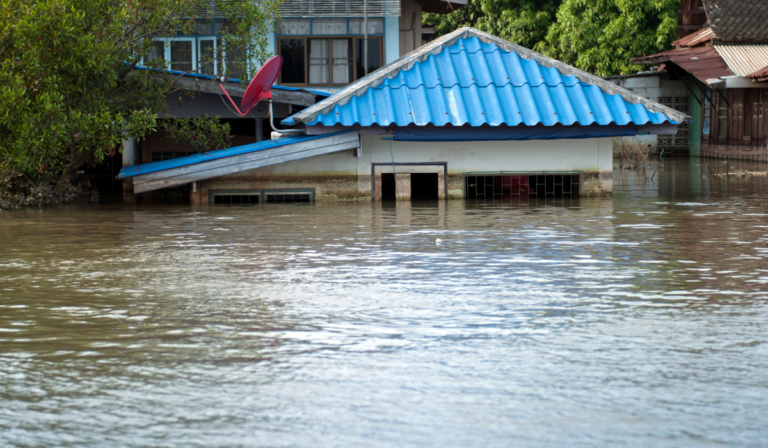
Flooding:
Plano has notable flood risk with 3,211 properties predicted to be at severe risk over the next 30 years. There's an average 34% chance of experiencing a flood about 11.0 inches deep during this time frame for buildings in the city.
Increased Precipitation:
Alongside flooding risks, Plano can expect an increase in extreme storm events. Predictions for 2050 anticipate around 11 extreme storms per year, which can lead to flash flooding and property damage.
We do insurance better. And here’s how.
- Save an average of $250 per year
- File a claim in 3 minutes
- Easily manage your policy online
- Skip the faxing, long paperwork, and unnecessary phone calls
- Get support from an American-based team
Are you in Plano, TX, looking for mobile home insurance
Choice of 6 insurance coverage in Plano, TX.

Loss of Rent Coverage:
What it is: If a mobile home is rented out and becomes uninhabitable due to a covered event, this provides compensation for lost rental income.
Why it's needed: For property owners who rely on rental income, it ensures financial stability after unexpected events.

Cyber Security Coverage:
What it is: Protection against risks related to digital threats, like hacking, data breaches, or ransomware.
Why it's needed: As homeowners increasingly rely on smart devices and home networks, they become targets for cyber-attacks, making this coverage ever more essential.

Inflation Guard Endorsements:
What it is: Adjusts policy limits to account for inflation, ensuring that coverage keeps pace with rising repair or replacement costs.
Why it's needed: Protects the real value of insurance over time, ensuring that homeowners are adequately covered despite inflation.

Personal Injury Coverage:
What it is: Offers protection against legal liabilities for non-bodily injuries like libel, slander, or invasion of privacy.
Why it's needed: In our digital age, the risk of non-physical personal injuries has grown, making this a relevant addition to many policies.

Vandalism and Malicious Mischief Coverage:
What it is: Protects against damages or losses resulting from deliberate acts of destruction or harm.
Why it's needed: Provides peace of mind in areas where vandalism might be a concern, ensuring that damages are covered.
Collapse Coverage:
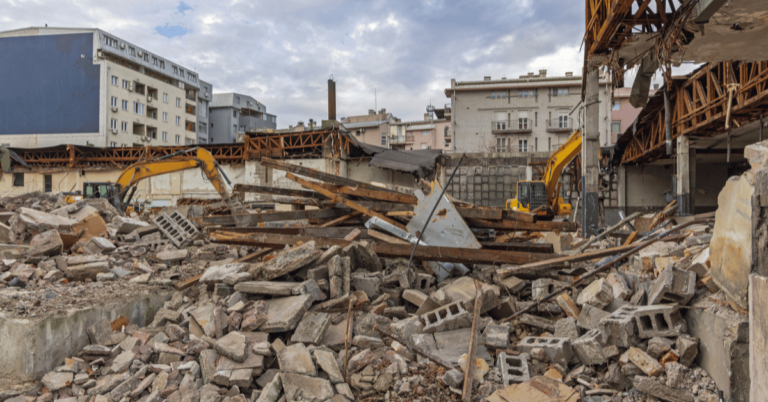
What it is: Covers damage to a mobile home if it unexpectedly collapses due to specific causes other than age or wear and tear.
Why it's needed: While uncommon, collapses can be devastating. This coverage ensures homeowners can rebuild or repair in such an event.
Mobile Home Facts : Texas
Treatment of Manufactured Home as Real Property:
- Once a “real property election” for a manufactured home is completed, the home is deemed as real property.
- This status remains unless the home is moved, the election changes, or the property’s use alters.
- Once a statement of ownership and location is given by the department, it’s final. Changes can only be made if all parties agree, or specific procedures are followed.
- If taking responsibility for a Statement of Ownership, ensure all housing department steps are followed, including necessary notifications.
According to the Texas Underwriting Manual TX: 12.24:
- 12.24.3: Any manufactured housing unit on the property isn’t included in the land described in this commitment or policy.
- 12.24.4: Upon a lender’s request and payment as specified in R-11(e), the T-31 and/or T-31.1 Endorsements can be issued; T-31.1 can be given to both the owner and the lender.
Learn about Texas Homeowner Assistance: Two Vital Programs!
Texas residents who are struggling with home-related expenses have two vital assistance programs available: the Texas Homeowner Assistance Program due to the COVID-19 pandemic and the Homeowner Assistance Program (HAP) following Hurricane Harvey.
Treatment of Manufactured Home as Real Property:
Purpose: Support homeowners impacted by Hurricane Harvey to repair, rebuild, and enhance their homes.
Services Offered: Financial support for affected homeowners.
Homeowner Assistance Program (HAP):
Purpose: Support homeowners impacted by Hurricane Harvey to repair, rebuild, and enhance their homes.
Services Offered: Home repairs and rehabilitation I Home reconstruction I Enhancements for better resilience against natural disasters I Elevating homes above flood levels along with reconstruction aid I Temporary relocation aid
Residents are encouraged to assess their eligibility and take advantage of these programs to secure and improve their homes.
The Texas Coastal Insurance Pool (TCIP), formerly known as the Texas Windstorm Insurance Association (TWIA), is a vital insurance entity designed to protect homeowners in the Texas coastal regions. Established in the face of limited private insurance options, the TCIP provides wind and hail coverage to properties located in certain parts of Texas’s seacoast territory.
Texas Coastal Property Insurance Pool Programs!
Key Features:
Rates:
Inland of the Intracoastal Canal $2.50 per $100 coverage 42 Effective October 1, 2008 Seaward of the Intracoastal Canal $5.00 per $100 coverage
Eligibility for TWIA:
A mobile home located in a designated catastrophe area that meets the following criteria is eligible to be insured under the T.W.I.A. Dwelling Policy with Form No. TWIA-411, Conversion to TWIA Manufactured Home Policy attached to the policy.
The mobile home complies with the definition of manufactured home under the rules and regulations of the Texas Department of Housing and Community Affairs (TDHCA). Criteria 2 The mobile home is occupied solely as a one or two family residence. Criteria 3Additions to Mobile Homes:
- A site-built addition attached to a mobile home will rate as part of the mobile home.
- A building certification from the Texas Department of Insurance is required for the site-built addition.
- Separate structures (not physically attached to the mobile home) are not eligible for insurance under the T.W.I.A. Dwelling Policy with Form No. TWIA411, Conversion to TWIA Manufactured Home Policy attached to the policy. Refer to eligibility requirements for insurance under the Association’s Dwelling Policy.
Deductibles:
- The following deductibles are mandatory under the T.W.I.A. Dwelling Policy with Form No. TWIA-411, Conversion to TWIA Manufactured Home Policy attached to the policy. a. Homes located inland of the Intracoastal Canal: 1% of limit of liability with a $250 minimum (TWIA Form No. 570) b. Homes located seaward of the Intracoastal Canal: 2% of the limit of liability with a $250 minimum (TWIA Form No. 575)
- Deductibles apply separately to the home and household goods items on the policy.
Limit of Liability:
The maximum limit of liability for a mobile home, including any site-built additions attached to the home, and household goods is $84,000.
Policy Forms & Endorsements:
The following policy form is to be used: T.W.I.A. Dwelling Policy with Form No. TWIA-411, Conversion to TWIA Manufactured Home Policy attached to the policy
Know Your Rights!
- Texas Tenant Advisor
- Texas Law Help – Manufactured Housing Owner’s Rights
- Property Code TITLE 8. Landlord and Tenant Chapter 94. Manufactured Home Tenancies
- Property Code TITLE 8. Landlord and Tenant Chapter 92. Manufactured Home Tenancies
- Landlords and Tenants Guide for Manufactured Home Communities
- Texas Manufactured Housing Standards Act
- Legal Q&A By Sarah Tompkins, TML Legal Counsel
- Texas Law Help – What To Know Before You Buy a Manufactured/Mobile Home
- Homeowner Assistance Program
- Manufactured Housing Single-Trip Permits
- Mobile Home Insurance in Texas
- Texas Department of Insurance – Consumer Guides: Homeowner’s Insurance Guide
- Consumer Bill of Rights
- Texas Windstorm Insurance Association
- Texas Windstorm Help Guide
- Texas Law Help – Manufactured Housing and Disasters
Additional Policy Riders for Mobile Home Insurance in Texas:
Adding policy options to a basic insurance plan is a common practice in the mobile home insurance industry. While the events covered in mobile home policies are similar across all states, additional coverage options, known as add-ons, endorsements, and riders, may vary depending on your location and insurance provider. Each of these options comes at an additional cost that can be customized according to your needs.
Provides protection against flood-related damages, excluding waterline or sewer backups. Average annual cost: $700. Earthquake InsuranceAdding any rider will increase your premiums, influenced by location, risk profile, chosen coverage, and deductible. Riders can be added during initial policy purchase, at renewal, or anytime during the policy period. Some carriers might not offer all endorsements, so shopping around might be necessary.
References:
References:
References: