
Insurance guides
Protect Your Manufactured Home in Baytown, TX.
Disclaimer: Data Accuracy and Sources
The data in the Covertree Resources section is from publicly available sources last updated in December 2022. We provide source links for verification. However, we can’t guarantee accuracy. Rely on this data at your own discretion. For specific advice, consult professionals.
Welcome to Baytown, Texas -where the scintillating waters of Galveston Bay meet the echoes of history, and nature whispers her secrets into the winds!
Welcome to the enchanting city of Baytown, where the past and present create a harmonious blend of experiences that captivate the senses. Situated along the placid Galveston Bay, Baytown offers a panoramic canvas that showcases the rich tapestry of Texan history—recounting tales of indigenous peoples, European settlers, and events that shaped both the state and the nation.
Baytown is a living history book, its pages etched with stories that date back centuries. Indigenous tribes once roamed these fertile lands before European settlers set foot, weaving together a captivating narrative that continues to evolve. The area’s evolution took a dramatic turn with the gushing oil wells that heralded a new era, propelling Baytown into the modern age and cementing its role in the broader context of American industry and energy production.
While history is the beating heart of Baytown, nature serves as its soul. The vast expanse of Galveston Bay is a shimmering wonder that beckons outdoor adventurers and solitude seekers alike. Venture into the Baytown Nature Center—a sanctuary where trails meander through tranquil settings, accompanied by the soft serenade of winds and rustling foliage. Or, opt for a marine adventure, casting your fishing line into the bay’s inviting waters as the sun lays a golden path across the horizon.
But Baytown doesn’t stop at merely offering historical and natural attractions. Its rich cultural landscape further enriches the visitor experience. The resonant chords of the Baytown Symphony Orchestra breathe life into the community, while the annual arts festivals showcase local talent and creativity. And for birdwatchers, the city unveils a paradise; the coastal topography becomes a seasonal theater for migrating birds, offering a visual spectacle unlike any other.
Dive deeper into Baytown’s layered past by visiting the Baytown Historical Museum. Here, you’ll embark on a guided tour through time, encapsulating the city’s diverse influences and seminal events. Pay your respects at the San Jacinto Monument, a towering edifice that commemorates the decisive battle that forever altered the course of Texan and American history.
Uncover Baytown’s hidden facets and lesser-known tales, too. For instance, were you aware that the Baytown Symphony Orchestra has enraptured audiences for over half a century, symbolizing the city’s thriving artistic community? And let’s not overlook the Eddie V. Gray Wetlands Center, managed in partnership with the Houston Audubon Society, which serves as an educational and observational platform for appreciating the bay’s diverse avian inhabitants.
From its historical milestones to its ecological marvels, Baytown offers a compelling narrative that weaves the wisdom of yesteryears with the vitality of today. Whether you’re looking for outdoor adventure, a historical pilgrimage, or simply wish to lose yourself in nature’s embrace, Baytown has it all. Come discover this stunning gem on the banks of Galveston Bay, and create everlasting memories that enrich your understanding of the Texan landscape and its people.
Understanding Mobile Home Insurance In Texas.
Do I Need Mobile Home Insurance in Texas?
Do I Need Mobile Home Insurance in Texas?
- Optional, but often required by lenders and mobile home communities.
- Lenders can’t mandate coverage that surpasses home and content replacement value.
- Strongly recommended for financial protection against damages.
Texas Mobile Home Insurance Costs Explained
Texas Mobile Home Insurance Costs Explained
Mobile home insurance is essential for safeguarding your most valuable asset. Prices in Texas typically range from $250 to $1,300 annually, influenced by various factors. Deciding between actual cash value and replacement cost coverage will also impact both premiums and compensation amounts in case of a claim.
Insurance rates are influenced by:
Insurance rates are influenced by:
- Geographic area (land value, crime rate, and environmental threats).
- Home’s value, size, and location.
- Home’s age.
- Chosen liability coverage.
- Desired personal property coverage amount.
- Selected deductible.
- Actual Cash Value: Compensates the current value of the home, accounting for depreciation. *
- Replacement Cost: Covers the cost of a new, similar home regardless of the original home’s age or previous value. **
* e.g. A five-year-old home bought for $50,000 but now worth $35,000 will be compensated at $35,000.
** Typically has higher premiums but offers more compensation during a claim.
Unique Considerations for Texas Mobile Home Insurance!
Unique Considerations for Texas Mobile Home Insurance!
- Wind and hail coverage may be excluded for homes near the coast.
- Purchase flood insurance via the National Flood Insurance Program if difficult to find in the private market.
- For wind and hail coverage, consider Texas Windstorm Insurance Association (TWIA).
Mobile Home Insurance Coverage in Texas:
Mobile Home Insurance Coverage in Texas:
- Dwelling coverage: Protection for permanent structures attached to the home.
- Personal property: Covers belongings if damaged or stolen.
- Liability protection: Provides financial protection in case a guest is injured on your property.
- Other structures: Coverage for free-standing structures on your property, e.g., sheds or fences.
- Additional living expenses: Covers costs if home becomes uninhabitable due to a covered loss.
Filing a Mobile Home Insurance Claim in Texas:
Filing a Mobile Home Insurance Claim in Texas:
- Insurance companies must acknowledge the claim within 15 days.
- Companies have 15 business days to accept or deny a claim, with potential for extensions in the event of major disasters.
- Possible 45-day decision timeframe if reasons are provided for delay.
- Failure to adhere to deadlines could result in the company being sued for the claim amount, interest, and legal fees.
Tips for Purchasing Mobile Home Insurance in Texas:
Tips for Purchasing Mobile Home Insurance in Texas:
- Mobile home insurance is often pricier than standard homeowners insurance.
- Best way to get affordable rates is to compare quotes from various companies.
- Online quotes might not be available; be prepared to call companies.
- Customizable policy options available to cater to individual needs.
Remember, while insurance might seem optional, it provides invaluable peace of mind against potential financial setbacks.
Choosing the Ideal Texas Homeowners Insurance Policy:
Choosing the Ideal Texas Homeowners Insurance Policy:
The apt insurance policy largely hinges on your home type, repair or rebuilding costs, and the worth of your belongings. It’s often a smart move to opt for the most robust protection within your budget. This is especially true if you haven’t set aside a significant emergency fund. Though a comprehensive policy with a lower deductible might require higher premiums, it ensures quick recovery after a substantial loss.
As your savings grow, you might consider increasing your deductible to decrease your premium. But here’s a pro tip: sometimes, a $1,000 deductible isn’t much pricier than a $5,000 one. In such instances, the minimal extra expense can prove invaluable in the event of a large claim.
The location of your mobile home, particularly the zip code in Texas, is a significant factor.
The location of your mobile home, particularly the zip code in Texas, is a significant factor.
You Need: The HO-7: Texas Mobile Home Form
You Need: The HO-7: Texas Mobile Home Form
- For Texas residents who own a mobile home, the HO-7 insurance form is crucial.
- This insurance covers both your dwelling and personal property.
- The HO-7 offers comparable coverage to the HO-3 policy.
- One thing to remember: if you plan on moving your mobile home, the HO-7 doesn’t always cover it while in transit. You may need to consider supplemental insurance in such cases.
What Does an HO-7 Policy Cover?
Type of Homes: Mobile or manufactured homes (trailers, single/double-wide mobile homes, RVs, modular homes, etc.).
Property (Dwelling & Other Structures)
Contents (Personal Property)
Dwelling & Other Structures
Personal Property
Valuable Items
Liability
Loss of Use
Medical Payments
What Does an HO-7 Policy NOT Cover?
Personal property damage that doesn't fit the named perils. Exclusions include:
- Floods
- Hurricanes
- Mold (Limited Coverage Might be Possible to Add)
- Earthquakes (Separate Policy Might be Available)
- Vandalism to Vacant Dwellings
- Wear and Tear
- Damage From Pets
- Intentional Acts
- Neglect
- Government Actions
Understand The HO-3: Texas Special Form
The HO-3 policy is the predominant homeowners insurance in Texas. It offers open-peril coverage for homes and related structures, covering all damages unless specifically excluded. Exclusions typically include:
- Earthquakes
- Floods
- Damage from insects & vermin
- Wear, neglect, or intentional damage
- Wind/hail damage to trees
- Vacancies, continuous water leaks
- Sewer backups, acts of war
- Certain mold cases
Additional Insurance Policy Options:
Even if you’ve chosen the HO-7 or another base form for your policy, you might still want to contemplate additional coverage for specific scenarios. Here are some prevalent options:
Texas DP-1 Insurance
Texas DP-3 Insurance
Personal Umbrella Policy
Scheduled Personal Property Coverage
Water Backup Coverage
Unmitigated Disasters
Choosing the Right Mobile Home Insurance for Baytown, TX.

Tornadoes
Description: Tornadoes can produce extremely high winds that can turn debris into projectiles. Mobile homes and RVs are especially vulnerable due to their lightweight construction and lack of a permanent foundation.
Implication for Mobile/Manufactured Home and RV Owners: Mobile homes and RVs can be entirely destroyed by tornadoes. The best course of action is evacuation to a solid structure well before the tornado arrives. Anchoring the structure may provide limited protection but is generally not sufficient for safety. Those living in these homes should have a tornado emergency plan and a weather radio to get alerts directly from the National Weather Service.
Hurricanes/Tropical Storms
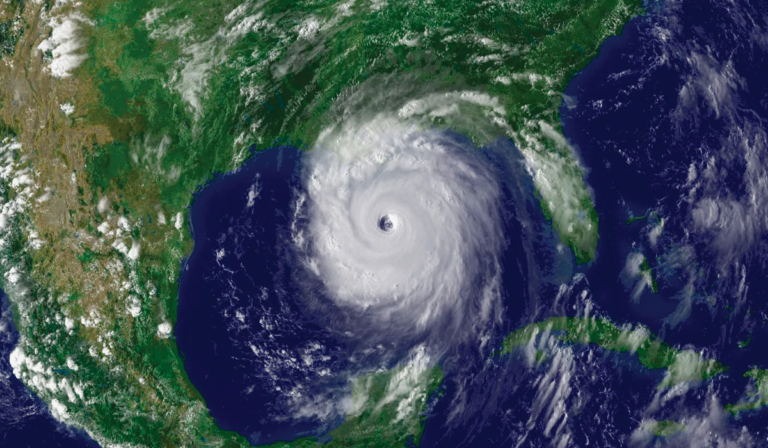
Description: While tornadoes are more localized, hurricanes and tropical storms affect large areas and bring with them not only high winds but also torrential rain and the possibility of flooding.
Implication for Mobile/Manufactured Home and RV Owners: Similar to tornadoes, mobile/manufactured homes and RVs can be heavily damaged or destroyed by hurricane winds and flooding. Evacuation plans are crucial. For those in flood-prone areas, raising the home on stilts may offer some protection but won't make it hurricane-proof. Make sure to secure or bring inside any items from outside your home that could become projectiles.

Severe Thunderstorms/Hail
Description: Severe thunderstorms can produce hail that can damage or destroy the siding, windows, and roofs of mobile homes and RVs. They can also come with high winds and intense rainfall that could lead to flash flooding.
Implication for Mobile/Manufactured Home and RV Owners: Hail can break windows and cause considerable damage to the exterior of a mobile/manufactured home or RV. Severe thunderstorms may also come with lightning that can start fires. A lightning rod and surge protectors may help mitigate this risk. Ensure you have comprehensive insurance that covers hail, wind, and flood damage.
We do insurance better. And here’s how.
- Save an average of $250 per year
- File a claim in 3 minutes
- Easily manage your policy online
- Skip the faxing, long paperwork, and unnecessary phone calls
- Get support from an American-based team
Are you in Baytown, TX, looking for mobile home insurance
Choice of 6 insurance coverage in Baytown, TX.

Animal Liability:
What it is: Covers liabilities if a pet injures someone or causes property damage.
Why it's needed: Pets, while beloved, can sometimes cause harm, making owners financially liable.

Personal Property Replacement Cost:
What it is: Covers the cost of replacing personal belongings at current market prices without considering depreciation.
Why it's needed: Assures homeowners can replace items without worrying about their depreciated value.

Accidental Damage:
What it is: Coverage for unintentional direct physical losses not specifically excluded or limited.
Why it's needed: Accidents happen, and this ensures unexpected damages are covered.
Solar Energy System Coverage:
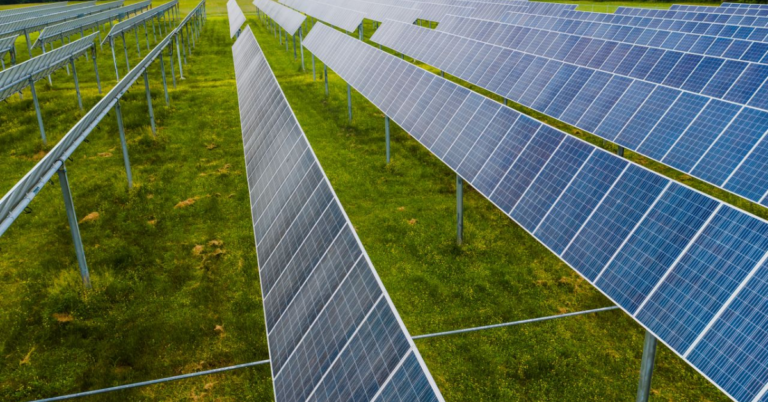
What it is: Protection for homeowners with solar energy systems, like panels.
Why it's needed: Solar systems can be costly to install and repair, so this ensures they're protected.

Yard and Garden Coverage:
What it is: Coverage that includes garden tractors, equipment, and plants, going beyond just landscaping.
Why it's needed: For homeowners who've invested in their yard and garden, this ensures their investments are protected.

Umbrella Liability:
What it is: Offers added liability coverage beyond the standard homeowners policy limits.
Why it's needed: Protects against large liability claims or judgments, especially important for individuals with significant assets.
Mobile Home Facts : Texas
Treatment of Manufactured Home as Real Property:
- Once a “real property election” for a manufactured home is completed, the home is deemed as real property.
- This status remains unless the home is moved, the election changes, or the property’s use alters.
- Once a statement of ownership and location is given by the department, it’s final. Changes can only be made if all parties agree, or specific procedures are followed.
- If taking responsibility for a Statement of Ownership, ensure all housing department steps are followed, including necessary notifications.
According to the Texas Underwriting Manual TX: 12.24:
- 12.24.3: Any manufactured housing unit on the property isn’t included in the land described in this commitment or policy.
- 12.24.4: Upon a lender’s request and payment as specified in R-11(e), the T-31 and/or T-31.1 Endorsements can be issued; T-31.1 can be given to both the owner and the lender.
Learn about Texas Homeowner Assistance: Two Vital Programs!
Texas residents who are struggling with home-related expenses have two vital assistance programs available: the Texas Homeowner Assistance Program due to the COVID-19 pandemic and the Homeowner Assistance Program (HAP) following Hurricane Harvey.
Treatment of Manufactured Home as Real Property:
Purpose: Support homeowners impacted by Hurricane Harvey to repair, rebuild, and enhance their homes.
Services Offered: Financial support for affected homeowners.
Homeowner Assistance Program (HAP):
Purpose: Support homeowners impacted by Hurricane Harvey to repair, rebuild, and enhance their homes.
Services Offered: Home repairs and rehabilitation I Home reconstruction I Enhancements for better resilience against natural disasters I Elevating homes above flood levels along with reconstruction aid I Temporary relocation aid
Residents are encouraged to assess their eligibility and take advantage of these programs to secure and improve their homes.
The Texas Coastal Insurance Pool (TCIP), formerly known as the Texas Windstorm Insurance Association (TWIA), is a vital insurance entity designed to protect homeowners in the Texas coastal regions. Established in the face of limited private insurance options, the TCIP provides wind and hail coverage to properties located in certain parts of Texas’s seacoast territory.
Texas Coastal Property Insurance Pool Programs!
Key Features:
Rates:
Inland of the Intracoastal Canal $2.50 per $100 coverage 42 Effective October 1, 2008 Seaward of the Intracoastal Canal $5.00 per $100 coverage
Eligibility for TWIA:
A mobile home located in a designated catastrophe area that meets the following criteria is eligible to be insured under the T.W.I.A. Dwelling Policy with Form No. TWIA-411, Conversion to TWIA Manufactured Home Policy attached to the policy.
The mobile home complies with the definition of manufactured home under the rules and regulations of the Texas Department of Housing and Community Affairs (TDHCA). Criteria 2 The mobile home is occupied solely as a one or two family residence. Criteria 3Additions to Mobile Homes:
- A site-built addition attached to a mobile home will rate as part of the mobile home.
- A building certification from the Texas Department of Insurance is required for the site-built addition.
- Separate structures (not physically attached to the mobile home) are not eligible for insurance under the T.W.I.A. Dwelling Policy with Form No. TWIA411, Conversion to TWIA Manufactured Home Policy attached to the policy. Refer to eligibility requirements for insurance under the Association’s Dwelling Policy.
Deductibles:
- The following deductibles are mandatory under the T.W.I.A. Dwelling Policy with Form No. TWIA-411, Conversion to TWIA Manufactured Home Policy attached to the policy. a. Homes located inland of the Intracoastal Canal: 1% of limit of liability with a $250 minimum (TWIA Form No. 570) b. Homes located seaward of the Intracoastal Canal: 2% of the limit of liability with a $250 minimum (TWIA Form No. 575)
- Deductibles apply separately to the home and household goods items on the policy.
Limit of Liability:
The maximum limit of liability for a mobile home, including any site-built additions attached to the home, and household goods is $84,000.
Policy Forms & Endorsements:
The following policy form is to be used: T.W.I.A. Dwelling Policy with Form No. TWIA-411, Conversion to TWIA Manufactured Home Policy attached to the policy
Know Your Rights!
- Texas Tenant Advisor
- Texas Law Help – Manufactured Housing Owner’s Rights
- Property Code TITLE 8. Landlord and Tenant Chapter 94. Manufactured Home Tenancies
- Property Code TITLE 8. Landlord and Tenant Chapter 92. Manufactured Home Tenancies
- Landlords and Tenants Guide for Manufactured Home Communities
- Texas Manufactured Housing Standards Act
- Legal Q&A By Sarah Tompkins, TML Legal Counsel
- Texas Law Help – What To Know Before You Buy a Manufactured/Mobile Home
- Homeowner Assistance Program
- Manufactured Housing Single-Trip Permits
- Mobile Home Insurance in Texas
- Texas Department of Insurance – Consumer Guides: Homeowner’s Insurance Guide
- Consumer Bill of Rights
- Texas Windstorm Insurance Association
- Texas Windstorm Help Guide
- Texas Law Help – Manufactured Housing and Disasters
Additional Policy Riders for Mobile Home Insurance in Texas:
Adding policy options to a basic insurance plan is a common practice in the mobile home insurance industry. While the events covered in mobile home policies are similar across all states, additional coverage options, known as add-ons, endorsements, and riders, may vary depending on your location and insurance provider. Each of these options comes at an additional cost that can be customized according to your needs.
Provides protection against flood-related damages, excluding waterline or sewer backups. Average annual cost: $700. Earthquake InsuranceAdding any rider will increase your premiums, influenced by location, risk profile, chosen coverage, and deductible. Riders can be added during initial policy purchase, at renewal, or anytime during the policy period. Some carriers might not offer all endorsements, so shopping around might be necessary.
References:
References:
References: