
Insurance guides
Protect Your Manufactured Home in Johns Creek, GA
Disclaimer: Data Accuracy and Sources
The data in the Covertree Resources section is from publicly available sources last updated in December 2022. We provide source links for verification. However, we can’t guarantee accuracy. Rely on this data at your own discretion. For specific advice, consult professionals.
Welcome to Johns Creek, Georgia- a captivating city that seamlessly blends small-town charm with modern sophistication. Nestled along the banks of the Chattahoochee River and encompassing a rich history, Johns Creek has established itself as one of the most desirable places to reside within the Atlanta metropolitan area.
Steeped in history, Johns Creek traces its origins back to the early 19th century when it served as a farming community. Over the years, it has evolved into a thriving city, notable for its diverse residential neighborhoods, top-notch schools, and outstanding quality of life. Named after the eponymous creek that meanders through its picturesque landscapes, Johns Creek has become a haven for families and individuals seeking a welcoming community.
One of the city’s most prominent attractions is the Autrey Mill Nature Preserve and Heritage Center. Immerse yourself in the natural beauty of this hidden gem as you explore miles of nature trails, observe wildlife in their natural habitats, and catch a glimpse of the historic mill. The center showcases the rich history of the area, with exhibits offering a glimpse into the lives of early settlers and their connection to the land.
For outdoor enthusiasts, Chattahoochee River National Recreation Area presents endless opportunities for adventure. Kayak along the river, cast your fishing line, or simply enjoy a leisurely hike through the serene trails that wind along the water’s edge. The expansive park also offers picnic areas, boat ramps, and camping facilities for those looking to spend an extended period in nature.
Johns Creek is also revered for its vibrant arts and culture scene. The Johns Creek Arts Center hosts a variety of exhibitions, classes, and workshops, encouraging creativity and fostering a love for the arts within the community. Don’t miss the annual Summer Concert Series, where world-class musicians take center stage, filling the air with enchanting melodies.
An obscure fact about Johns Creek lies within its music history – the city has been home to accomplished musicians, including renowned pianist Alfred Cortot. His legacy lives on in this charming city, embodying the spirit of creative expression that permeates its cultural landscape.
As a place to call home, Johns Creek offers an exceptional quality of life. With its highly-ranked schools, low crime rates, and a vast array of recreational activities, it has consistently been recognized as one of the safest and best places to live in Georgia. Enjoy an afternoon of shopping and dining at The Forum on Peachtree Parkway, an upscale outdoor retail destination featuring a unique blend of boutiques, restaurants, and entertainment options.
RV enthusiasts will also find delight in Johns Creek’s proximity to RV parks and campgrounds that allow for easy exploration of the surrounding natural wonders. Whether you choose to venture into the nearby North Georgia mountains or embark on a scenic road trip along the picturesque coastline, Johns Creek serves as an excellent starting point for endless adventures.
Moreover, for those seeking the convenience and comfort of mobile, manufactured, or modular homes, various communities in Johns Creek cater to this housing preference. From upscale manufactured home communities with modern amenities to tranquil mobile home parks nestled amidst nature, there are options to suit a range of needs and preferences.
In conclusion, as you explore the vibrant city of Johns Creek, immerse yourself in its rich history, enjoy its numerous attractions, and embrace the true essence of Southern hospitality. With its picturesque landscapes, thriving cultural scene, and highlights for RV enthusiasts and mobile/manufactured/modular homeowners, Johns Creek beckons you to experience the magic of this truly extraordinary city.
Understanding Mobile Home Insurance in Georgia
In Georgia, while homeowners insurance is not mandated by law, lenders typically require it for financed properties, including mobile and manufactured homes. A standard policy generally includes coverage for the dwelling itself, other structures on the property, personal property within the home, and liability protection.
Mobile home or manufactured home insurance not only covers your mobile home; it can also cover:
- Detached structures on your property, such as a carport or garage
- Your personal belongings
- Living expenses if your home is seriously damaged by a covered loss
- Injuries that might occur on your property (up to the limits you choose on your mobile home insurance policy).
Mobile and manufactured homes are not eligible for coverage under a standard homeowners insurance policy (H0-3) so you will need a special policy built specifically for mobile homes.
The provisions for insuring manufactured homes in Georgia, include:
- Treating manufactured homes as personal property until they meet specific criteria to be considered real property.
- Excluding mobile homes from real property coverage in insurance policies unless they are permanently affixed to the property and meet other statutory requirements.
- Requiring a Certificate of Permanent Location to be filed for the mobile home to be insured as part of the real estate.
- Ensuring that the manufactured home and the land have common ownership and that the home is taxed in conjunction with the land.
- Confirming the surrender of the Certificate of Title for the home when it is considered real property.
These guidelines must be strictly followed to provide policy coverage or delete the manufactured home exception in insurance documents.
Coverage Specifics:
- Covers the structure, personal property, liability, medical expenses, detached structures, and replacement costs.
- Policies may include transportation from the building site to the permanent site.
- Excludes flood damage; separate flood insurance is required.
Policy Limits and Recommendations:
- Discuss with an agent to ensure appropriate coverage for potential severe weather damage.
- Consider additional coverage for valuable personal items.
- Inquire about discounts for installing safety features.
Example of a Manufactured/Mobile Insurance Policy Structure:
Section 1: Property
- Coverage A (Mobile Home): For the home and attached structures, with limits varying by carrier.
- Coverage B (Other Structures): Standard 10% of Coverage A.
- Coverage C (Personal Property): Typically 30-50% of Coverage A.
- Coverage D (Loss of Use): Daily amounts or a percentage of Coverage A.
Section 2: Liability
- Coverage E (Personal Liability): Ranges from $25,000 to $100,000, with options for higher coverage.
- Coverage F (Medical Payments to Others): Usually between $500-$1,000 per person.
Make sure that you get the right coverage for your manufactured/mobile home, as it is crucial for protection against accidents or damage!
Do I Need Mobile Home Insurance in Georgia?
Not necessarily BUT, owners of mobile or manufactured homes, as well as RVs, are advised to obtain insurance to protect against risks specific to these types of properties.
You need insurance policies that cover the structure, personal property, liability, and possibly additional living expenses in case the home is uninhabitable temporarily.
For manufactured homes that are considered personal property, a physical damage policy is essential, whereas those classified as real property might require a standard homeowner’s policy with special endorsements like the ALTA 7 series.
RV owners should consider policies that cover both the vehicle aspect and the living quarters. Completing the Certificate of Permanent Location is crucial for manufactured homes to qualify for certain types of coverage. It’s advisable to get these policies to safeguard against natural disasters, theft, damage, and liability issues that are inherent in owning and living in these types of homes.
Georgia Mobile Home Insurance Costs Explained
Additionally, due to the transportable nature of mobile and manufactured homes, owners may need specialized policies that consider the unique risks associated with these types of homes, such as their vulnerability to weather events.
Considering Georgia’s climate, coverage for severe weather damage is crucial. Furthermore, for homes near bodies of water, separate flood insurance is recommended due to the high risk of flooding.
Discounts on policies may be available through various qualifiers, like having an alarm system or bundling multiple insurance policies. The cost of these insurances will vary based on factors such as location and the home’s specifications.
For rental properties, landlord insurance is available to protect the investment. Notably, Georgia is home to many historical residences, and special considerations may need to be taken for these homes regarding insurance.
Windstorm Insurance and Deductibles in Georgia:
- In areas prone to wind-related events, standard policies might not cover wind and hail damage, necessitating a separate windstorm policy or endorsement.
- Georgia policies may have separate wind/hail or hurricane deductibles as a percentage of dwelling coverage.
Wind Mitigation Discounts:
- Installing features to withstand high winds can lead to discounts between 5% and 10% on the wind portion of the insurance.
Georgia FAIR Plan:
- The Georgia Underwriting Association offers coverage for high-risk homeowners who struggle to find standard insurance, though it may be more costly and less comprehensive.
Flood Insurance Considerations:
- Due to the risk of hurricanes, those near the coast or high-risk flood zones should get separate flood insurance.
Insurance Costs:
- Average mobile home insurance costs between $300 and $1,000 annually, varying based on multiple factors and reports.
- Discounts may be available for security systems, memberships, or bundling policies.
- Opting for higher deductibles can reduce premiums.
RV Insurance Facts in GA :
Coverage Options for Mobile Home Insurance in GA:
Overview of Premiums:
State-Specific Insurance Requirements:
Coverage Details:
Georgia's Minimum Coverage:
Natural Disaster Coverage:
Insurance for Different RV Classes:
Special Considerations for DIY Campers:
Full-Time vs. Recreational Coverage:
Unique Considerations for Georgia Mobile Home Insurance!
In Georgia, mobile home insurance is shaped by the state’s geographical and climatic conditions. With a higher risk of severe weather events like hurricanes and tornadoes, particularly along the coast, insurers may require specialized coverage or endorsements for windstorm damage.
Given the state’s topography, owners may need to consider additional flood insurance, especially if located in FEMA-designated flood zones or near bodies of water.
Georgia’s specific requirements for liability coverage levels also influence mobile home insurance policies, potentially leading to higher premiums compared to other states. Mobile homeowners must navigate these unique factors to ensure they have comprehensive protection tailored to Georgia’s landscape and regulatory environment.
Tips for Purchasing RV or Mobile & Manufactured Home Insurance in Georgia:
- Assess Risks Specific to Georgia: Understand local weather patterns and natural disaster risks, such as tornadoes or hurricanes, to ensure your policy covers these events.
- Check Windstorm Coverage: Ensure your policy includes windstorm insurance, particularly if you’re in a high-risk area along the Georgia coast.
- Consider Flood Insurance: Given Georgia’s hurricane history, a separate flood insurance policy might be necessary, especially if your home is near water bodies or in flood-prone zones.
- Review Liability Requirements: Georgia has specific liability coverage requirements for RVs; verify that your policy meets at least the minimum state requirements.
- Opt for Comprehensive Coverage: For full protection, consider a comprehensive policy that covers both collision and non-collision-related incidents.
- Understand Deductible Provisions: Familiarize yourself with how deductibles work, particularly for wind/hail, which may be different from your standard deductible.
- Investigate Georgia FAIR Plan: If you’re having difficulty obtaining insurance due to high risks, explore the Georgia FAIR Plan as a possible alternative.
- Inquire About Discounts: Ask insurers about discounts for safety features or for bundling your RV insurance with other policies.
- Secure Personal Property: If your RV or mobile home contains valuable personal items, consider additional coverage for these assets.
- Consult with Local Experts: Speak with insurance agents who are experienced with Georgia’s insurance landscape to get the best advice and coverage options tailored to your specific needs.
Choosing the Right Mobile Home Insurance for
Johns Creek, GA
Weather & Environmental Risks:
Severe Thunderstorms and Tornadoes
- Description: Johns Creek is susceptible to severe thunderstorms that can produce strong winds, heavy rain, lightning, and even tornadoes. These weather events can pose risks to property and personal safety.
- Data:
- Average annual thunderstorm days: 70 days
- Tornado risk level: Moderate
- Tips for mobile homeowners and RV owners:
- Stay informed: Keep track of current weather conditions through local news, weather alert apps, or a NOAA weather radio.
- Have an emergency plan: Identify a safe location within your mobile home or RV where you can seek shelter during a storm. If possible, find a sturdy building nearby as an alternative shelter option.
- Secure outdoor belongings: Store or tie down any loose items that could become projectiles in high winds.
- Regular maintenance: Ensure your mobile home or RV is in good condition, with a strong roof and properly sealed windows and doors.
Heat Waves and High Temperatures
- Description: Johns Creek experiences hot and humid summers, with occasional heat waves that can result in high temperatures and increased risk of heat-related illnesses.
- Data:
- Average July high temperature: 89°F (32°C)
- Average number of days above 90°F (32°C) per year: 50 days
- Tips for mobile homeowners and RV owners:
- Limit sun exposure: Park your mobile home or RV in shaded areas whenever possible to minimize heat buildup inside.
- Use sun-blocking strategies: Use window coverings or reflective shades to prevent excessive heat gain.
- Stay cool: Utilize fans, air conditioning, or portable cooling devices to maintain a comfortable temperature inside.
- Hydrate frequently: Drink plenty of water to stay hydrated, especially during hot weather. Avoid excessive consumption of caffeine and alcohol, as they can contribute to dehydration.
Flash Flooding and Heavy Rainfall
- Description: Like many areas in Georgia, Johns Creek is susceptible to heavy rainfall events that can lead to flash flooding. These events pose risks to low-lying areas, roadways, and can potentially impact properties and infrastructure.
- Data:
- Average annual precipitation: 53 inches
- Tips for mobile homeowners and RV owners:
- Monitor weather updates: Stay informed about rainfall forecasts, flood watches, and warnings issued by local authorities.
- Avoid flood-prone areas: Park your mobile home or RV in higher elevation areas to reduce the risk of flooding.
- Have an evacuation plan: Be prepared to relocate to higher ground or safer areas if flash flooding becomes a threat.
- Store emergency supplies: Keep non-perishable food, drinking water, flashlights, first aid kits, and essential medications on hand in case of emergency.
Please note that these tips provide general guidance, and it’s crucial to follow advice and alerts from local authorities during severe weather events. Stay vigilant, prioritize your safety, and adapt your preparations and actions based on the specific circumstances and guidance provided by responsible sources.
Crime Rates:
Crime Descriptions and Statistics
- Johns Creek is safer than the majority of cities, towns, and villages in America (77%) and has a lower crime rate than 78% of the communities in Georgia.
- The chance of becoming a victim in Johns Creek is one in 203, based on the total crime rate (violent and property crimes combined), compared to the national average of 1 in 43.
- Johns Creek is ranked as one of the top 100 safest cities in the USA.
- The crime rate in Johns Creek is one of the lowest in the nation for its size.
Violent Crimes
- Johns Creek has a violent crime rate well below the national average for all communities of all population sizes.
- Violent crimes such as assault, rape, murder, and armed robbery happen less often in Johns Creek compared to most of America.
- The chance of becoming a victim of a violent crime in Johns Creek is one in 2,830, which is a violent crime rate of 0 per one thousand inhabitants.
Property Crimes
- Johns Creek has a property crime rate below average compared to all cities and towns in the nation.
- This means you are less likely to become a victim of arson, motor vehicle theft, larceny, or burglary in Johns Creek compared to most communities in America.
- The chance of becoming a victim of property crime in Johns Creek is one in 218.
Tips for Mobile Homeowners, RV Owners, etc.
- While Johns Creek has a lower crime rate, it’s still important for mobile homeowners and RV owners to take precautions.
- Secure your mobile homes or RVs with proper locks and security systems to deter potential burglars.
- Park your mobile homes or RVs in well-lit areas with good visibility and in secure storage facilities, if available.
- Be mindful of your surroundings and report any suspicious activities to the local authorities.
- Establish a sense of community watch with your neighbors and communicate about security measures and concerns.
Please note that although Johns Creek has a lower crime rate, it’s always advisable to stay vigilant and take necessary precautions to ensure personal safety and the security of your property.
Additional Tips:

SEASONAL MAINTENANCE
If you plan to travel with your mobile home or RV, perform routine maintenance before each trip. Check tires, brakes, and other mechanical components for proper functioning. Inspect and clean the roof, seals, and windows to prevent leaks during travel.

DOCUMENTATION AND PHOTOGRAPHS
Before moving into a rented mobile home, document and photograph the condition of the property to establish a baseline. Share the documentation with your landlord or property manager to avoid disputes over pre-existing damages. Keep copies of all correspondence related to maintenance requests and repairs.
RENTAL AGREEMENT TERMS
Read and review your rental agreement thoroughly to understand your rights and responsibilities as a tenant. Pay attention to terms related to rent increases, lease renewal, and rules governing the use of common areas. Seek legal advice if you have any questions or concerns about the rental agreement terms.
PERMANENT FOUNDATION
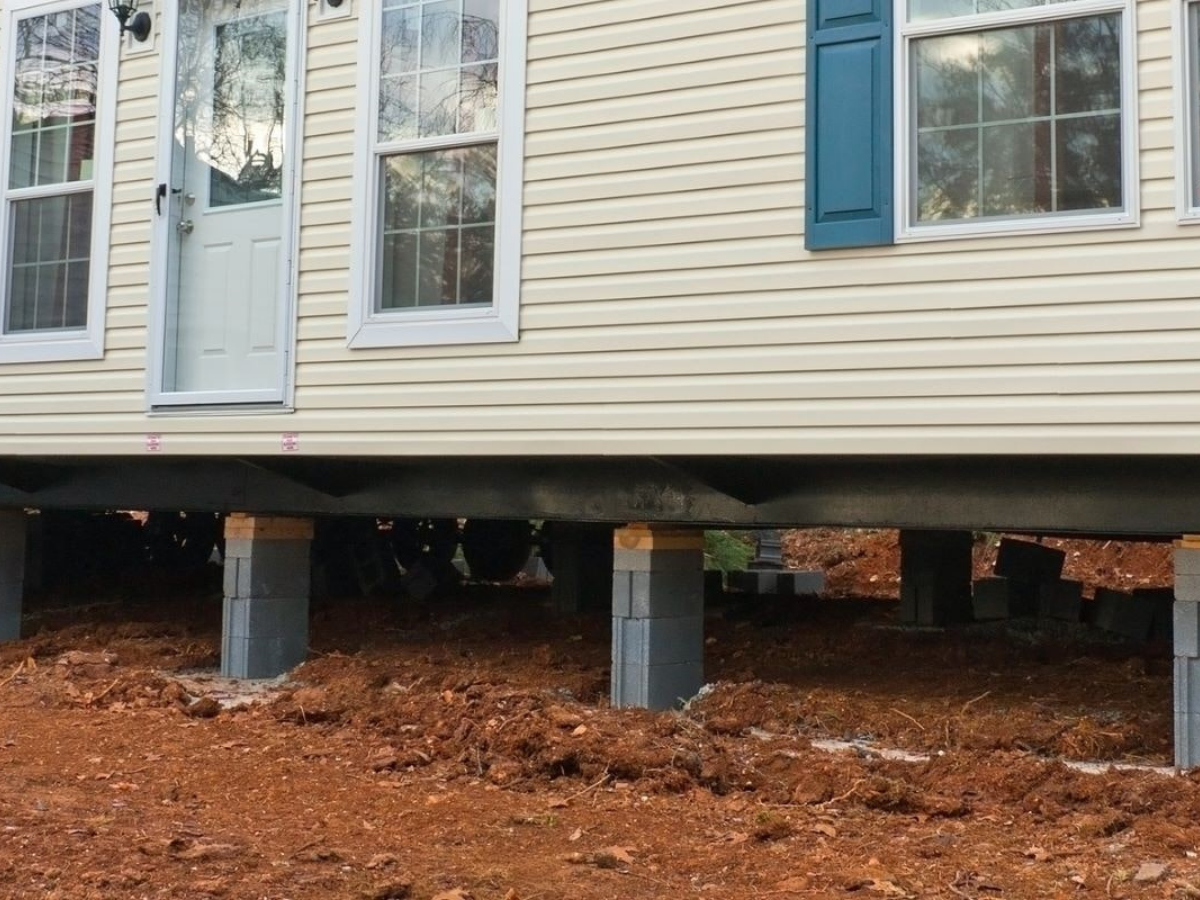
Consider converting your mobile home to a permanent foundation to enhance its stability. Opt for a foundation with good drainage systems, stable soil, and sturdy support beams. Consult with a licensed contractor for proper installation.

PROPERTY TAXES
Learn about whether or not your mobile home is eligible for the Homestead Exemption on property taxes. Keep your assessed value up to date in Georgia to avoid any discrepancies in tax payments. File for additional tax exemptions if you meet certain eligibility criteria.

PET FRIENDLY TRAVEL
Research pet-friendly accommodations and campsites before traveling with pets. Ensure your pets are up to date on their vaccinations and have proper identification. Remember to pick up after your pets and dispose of waste properly.
We do insurance better.
And here’s how.
- Save an average of $250 per year
- File a claim in 3 minutes
- Easily manage your policy online
- Skip the faxing, long paperwork, and unnecessary phone calls
- Get support from an American-based team
Are you in Johns Creek, GA, looking for mobile home insurance
Georgia Mobile Home Facts
Mobile and Manufactured Home Insurance Statistics in Georgia:
- 11% of homes in Georgia are mobile or manufactured.
- These homes are a cost-effective alternative to traditional homes.
Types of Mobile Homes:
- Trailers and RVs are movable.
- Manufactured homes are pre-built and anchored at the site.
- Modular homes are pre-built in parts and assembled on a foundation.
In Georgia, every installer of manufactured and mobile homes must report each installation to the state’s Manufactured Housing Section within the Safety Fire Division three days before the installation is complete and the home is ready for occupancy.
- This report must be made on a specific form provided by the Commissioner and include the installation’s permit number, torque probe test results near each corner of the home, and the soil-bearing capacity measurements that were used to set up the home’s foundation supports.
- This requirement applies to every installation, whether it’s for a new home or a relocation. Additionally, the Commissioner has the authority to request sales reports from retailers and brokers.
- This rule has been updated and modified several times since its original adoption in 1974, with the most recent amendment being effective as of January 1, 2022.
In Georgia, any installer working on a manufactured or mobile home must buy a permit from the Commissioner before starting the job.
- The permit fee is set by state law and the installer must provide necessary information to get this permit, which should be displayed in the home upon completion.
- If manufacturer instructions are missing or unclear, the state’s installation guidelines must be followed, including the provision of a manual with every new home detailing the foundation, anchorage, site preparation, and utility connections.
- The installer is also responsible for ensuring the home is placed on a properly prepared site with good drainage and free of debris.
- Installers licensed in Georgia are exempt from additional electrical and plumbing licenses for tasks covered under their installer license.
- The installer’s responsibilities, unless otherwise written in a contract, do not include skirting, masonry curtain walls, or stairs and landings; these are subject to local codes or separate agreements.
- These rules apply only to homes as defined under Georgia law and have been revised over the years, with the current version effective since December 20, 2004.
Mobile Homes in GA – Did You Know?
- Manufactured homes must be at least 320 square feet with a permanent chassis for transport.
- The Georgia Office of Insurance and Safety Fire Commissioner oversees the industry, ensuring that installations meet safety standards, and performs inspections.
- Homes must have a HUD label as proof that they meet federal construction and safety standards.
The Office of Insurance and Safety Fire Commissioner:
- Oversees the licensing of Manufactured Housing professionals,
- Monitors and evaluates in-plant performance and issues certification labels,
- Issues permits for each installation and performs random inspections on installations performed by each installer,
- Monitors retailer performance,
- Handles consumer complaints,
- Maintains databases of HUD labels, data plates (compliance certificates), & licensed professionals available for search.
Insurance for Manufactured Homes:
- Mobile homes require different insurance coverage than traditional homes because of their transportability and construction.
- Coverage options in Georgia can include structures, personal property, protection from various weather-related events, accidental damage, and loss of use.
Governance of Manufactured Housing:
- The Manufactured Housing Division maintains databases for HUD labels, data plates, and licensed professionals.
- The division handles consumer complaints and monitors both manufacturer and retailer performance.
Manufactured Housing Standards:
All sections of transportable manufactured homes must contain a HUD label, certifying adherence to federal standards that include body, frame, thermal protection, structural integrity, and fire safety.
Licensing and Permit Requirements:
- Professionals in the industry must be licensed and can apply for and renew licenses through the OCI Citizenserve Portal.
- Installation permits are required for each home installed and can be purchased online for $60.00.
- Annual licensing fees are $440 for manufacturers, $300 per retail location for retailers and retail brokers, and $300 for installers.
Consumer Protection:
- Consumers can file complaints through the OCI Citizenserve Portal if issues with their homes are not resolved after contacting the manufacturer, retailer, or installer.
- The Office will review complaints, determine a course of action, and may conduct on-site inspections.
Access to Licensed Professionals:
The public and Local Code Offices can access a current listing of licensed Manufactured Housing Manufacturers, Retailers, and Installers to verify compliance with Georgia law.
Georgia Coastal Property Insurance
Pool - FAIR Plan
Introduction to the FAIR Plan
The Role of the GUA
Mitigation and Incentives

Six Steps to Fortification
- Step 1: Apply – Begin by filling out a free online application, which is the first step toward making your home disaster-resistant.
- Step 2: Schedule an Evaluation: After processing your application, you’ll be directed to certified evaluators. Choose one to assess your home according to the IBHS standards.
- Step 3: Evaluation: The evaluator will conduct a thorough inspection and create a report, which will be used to determine any necessary improvements.
- Step 4: Review the Report: You’ll receive a detailed report outlining the current state of your home and the steps needed to achieve the desired level of fortification.
- Step 5: Implement Improvements: Based on the report, you’ll upgrade your home to meet specific standards. Once completed, an evaluator will verify the improvements.
- Step 6: Obtain Designation: Upon confirmation of the upgrades, you’ll receive a Fortified Designation, qualifying you for potential discounts with the GUA.
The FAIR Plan and the GUA offer Georgians a pathway to insuring homes that the private market may deem too risky. By understanding and utilizing these resources, homeowners can protect their properties and potentially reduce their insurance costs through proven mitigation efforts.
Know Your Rights:
- Georgia Landlord Tenant Handbook
- Insurers Requirements | Department of Revenue
- Older mobile home insurance: What you need to know
- Manufactured Housing Rules and Regulations
- Installation Requirements, Ga. Comp. R. & Regs. 120-3-7-.13
- What Are the Requirements for Mobile Home Insurance?
- Manufactured Housing | Office of the Commissioner of Insurance and Safety Fire
- Manufactured Homes: What Happens If I’m Behind on My Land Lease Payments? | Nolo
- Mobile Home Parks – Consumer Sourcebook | Consumer Protection & Antitrust Bureau | NH Department of Justice
- Georgia Code Title 10. Commerce and Trade § 10-1-679 | FindLaw
- Georgia Code Title 44. Property § 44-14-349 | FindLaw
- What Rights Do Mobile Home Park Tenants Have? – FindLaw
- Columbus, GA
- New GA law will help mobile home park landlords, tenants
- Mobile Home Park Laws and Regulations
Finding the Best Mobile Home Insurance in
Johns Creek, GA.
It's essential to compare quotes from various insurance providers and work with local agencies that understand Johns Creek's specific risks. You also need to be vocal about being able to customize your policy to cover specific needs like monsoon or dust storm damages. Always remember to ask about any available discounts that you may be eligible for!
These are some things you should look out for in an insurance plan for Johns Creek:
Proximity to Chattahoochee River: If your property is located near the Chattahoochee River, consider assessing the flood risk and obtaining flood insurance coverage to protect against potential damage caused by river flooding.
Neighborhood Watch Programs: Joining or starting a neighborhood watch program can help deter property crime and may positively impact your insurance premiums.
Severe Storm Insurance: Due to the occasional severe storms and hail events in Georgia, consider obtaining coverage for damage caused by hail, wind, and other severe weather conditions.
Roofing Coverage: Given the potential for roof damage from storms, it may be beneficial to have coverage specifically for roof repairs or replacement.
Transportation Coverage: If you frequently move or transport your mobile home, consider adding coverage for transportation-related risks, such as damage during transit or while being set up at a new location.
Depreciation Waiver: Consider adding this endorsement to your policy to ensure that, in the event of a covered loss, your mobile home or manufactured home is replaced without depreciation being applied to the claim settlement.
Roadside Assistance: Consider adding roadside assistance coverage to your RV insurance policy, providing assistance for situations such as towing, battery jumps, and lockouts while on the road.
Personal Belongings Coverage: Given that RVs often contain personal belongings, consider adding coverage specifically for personal possessions within the RV, including clothing, appliances, electronics, and other valuable items.
Please note that these are general recommendations, and it’s important to consult with your insurance provider to determine the specific coverage options and endorsements suitable for your individual needs and circumstances.
References:
Arizona
Texas
Michigan
New Mexico
Alabama
- Alabaster, AL
- Albertville, AL
- Anniston, AL
- Athens, AL
- Auburn, AL
Georgia
South Carolina
- Aiken, SC
- Anderson, SC
- Beaufort, SC
- Berea, SC
- Bluffton, SC