
Insurance guides
Protect Your Manufactured Home in Fort Worth, TX.
Disclaimer: Data Accuracy and Sources
The data in the Covertree Resources section is from publicly available sources last updated in December 2022. We provide source links for verification. However, we can’t guarantee accuracy. Rely on this data at your own discretion. For specific advice, consult professionals.
Welcome to Fort Worth, Texas -the city of cowboys, culture, and unwavering charm! In the vast expanse of the Lone Star State, where the modern merges seamlessly with the historical, Fort Worth stands tall and proud as a beacon of Texan spirit and heritage. Fondly known as the place “Where the West Begins,” Fort Worth offers a unique blend of cowboy bravado and cosmopolitan sophistication, making it a city that both captivates the imagination and warms the heart.
At the heart of Fort Worth is the Stockyards National Historic District, a place where one can still witness cattle drives, just as it was done over a century ago. With its vintage brick walkways and wooden corrals, the Stockyards is more than just a destination—it’s a journey back in time, an ode to the city’s storied past as a hub of the cattle industry. It’s here that you can experience the thrill of a rodeo, the rhythm of country music, and the taste of authentic Texas barbecue.
Yet, Fort Worth is not just about cowboy boots and rodeos. The city also boasts a vibrant arts scene. The Cultural District, a masterpiece in its own right, houses five internationally recognized museums, including the Kimbell Art Museum with its stunning architecture and the Modern Art Museum of Fort Worth, showcasing post-World War II art in all media. These institutions, with their world-class exhibits, stand as a testament to Fort Worth’s dedication to the arts and its place in the global cultural landscape.
Nature lovers aren’t left out either. The Fort Worth Botanic Garden, the oldest of its kind in Texas, offers a serene oasis amidst the urban hustle. With over 2,500 species of plants spread across 23 specialty gardens, it’s a haven of natural beauty and a reflection of the city’s commitment to conservation.
For those seeking a slice of local life, Sundance Square, spanning 35 blocks in the heart of downtown, is the place to be. Here, historic landmarks sit alongside modern marvels, and bustling streets echo with the sounds of jazz, rock, and laughter. It’s a place to shop, dine, and be entertained, but more importantly, it’s a place that encapsulates the very essence of Fort Worth—a blend of tradition and progress.
Water Gardens, a contemporary park downtown, offers both tranquility and architectural marvel. Its cascading waterfalls and pools provide a respite for both locals and tourists alike, offering moments of reflection in the heart of the city.
Fort Worth’s charm doesn’t just lie in its attractions but also in its people. The city embodies the famed Texan hospitality. Here, strangers are just friends you haven’t met yet. Every smile, every nod, every “howdy” you receive is genuine, making you feel right at home, even if you’re miles away from your own.
In Fort Worth, stories of the past intertwine with visions of the future. It’s a city that respects its roots while embracing the new. Whether you’re a history buff, an art enthusiast, a nature lover, or just someone looking to experience genuine Texan warmth, Fort Worth beckons with open arms and a promise of memories that will last a lifetime. So saddle up and embark on a journey to discover the soul of Texas, right here in Fort Worth.
Understanding Mobile Home Insurance In Texas.
Do I Need Mobile Home Insurance in Texas?
Do I Need Mobile Home Insurance in Texas?
- Optional, but often required by lenders and mobile home communities.
- Lenders can’t mandate coverage that surpasses home and content replacement value.
- Strongly recommended for financial protection against damages.
Texas Mobile Home Insurance Costs Explained
Texas Mobile Home Insurance Costs Explained
Mobile home insurance is essential for safeguarding your most valuable asset. Prices in Texas typically range from $250 to $1,300 annually, influenced by various factors. Deciding between actual cash value and replacement cost coverage will also impact both premiums and compensation amounts in case of a claim.
Insurance rates are influenced by:
Insurance rates are influenced by:
- Geographic area (land value, crime rate, and environmental threats).
- Home’s value, size, and location.
- Home’s age.
- Chosen liability coverage.
- Desired personal property coverage amount.
- Selected deductible.
- Actual Cash Value: Compensates the current value of the home, accounting for depreciation. *
- Replacement Cost: Covers the cost of a new, similar home regardless of the original home’s age or previous value. **
* e.g. A five-year-old home bought for $50,000 but now worth $35,000 will be compensated at $35,000.
** Typically has higher premiums but offers more compensation during a claim.
Unique Considerations for Texas Mobile Home Insurance!
Unique Considerations for Texas Mobile Home Insurance!
- Wind and hail coverage may be excluded for homes near the coast.
- Purchase flood insurance via the National Flood Insurance Program if difficult to find in the private market.
- For wind and hail coverage, consider Texas Windstorm Insurance Association (TWIA).
Mobile Home Insurance Coverage in Texas:
Mobile Home Insurance Coverage in Texas:
- Dwelling coverage: Protection for permanent structures attached to the home.
- Personal property: Covers belongings if damaged or stolen.
- Liability protection: Provides financial protection in case a guest is injured on your property.
- Other structures: Coverage for free-standing structures on your property, e.g., sheds or fences.
- Additional living expenses: Covers costs if home becomes uninhabitable due to a covered loss.
Filing a Mobile Home Insurance Claim in Texas:
Filing a Mobile Home Insurance Claim in Texas:
- Insurance companies must acknowledge the claim within 15 days.
- Companies have 15 business days to accept or deny a claim, with potential for extensions in the event of major disasters.
- Possible 45-day decision timeframe if reasons are provided for delay.
- Failure to adhere to deadlines could result in the company being sued for the claim amount, interest, and legal fees.
Tips for Purchasing Mobile Home Insurance in Texas:
Tips for Purchasing Mobile Home Insurance in Texas:
- Mobile home insurance is often pricier than standard homeowners insurance.
- Best way to get affordable rates is to compare quotes from various companies.
- Online quotes might not be available; be prepared to call companies.
- Customizable policy options available to cater to individual needs.
Remember, while insurance might seem optional, it provides invaluable peace of mind against potential financial setbacks.
Choosing the Ideal Texas Homeowners Insurance Policy:
Choosing the Ideal Texas Homeowners Insurance Policy:
The apt insurance policy largely hinges on your home type, repair or rebuilding costs, and the worth of your belongings. It’s often a smart move to opt for the most robust protection within your budget. This is especially true if you haven’t set aside a significant emergency fund. Though a comprehensive policy with a lower deductible might require higher premiums, it ensures quick recovery after a substantial loss.
As your savings grow, you might consider increasing your deductible to decrease your premium. But here’s a pro tip: sometimes, a $1,000 deductible isn’t much pricier than a $5,000 one. In such instances, the minimal extra expense can prove invaluable in the event of a large claim.
The location of your mobile home, particularly the zip code in Texas, is a significant factor.
The location of your mobile home, particularly the zip code in Texas, is a significant factor.
You Need: The HO-7: Texas Mobile Home Form
You Need: The HO-7: Texas Mobile Home Form
- For Texas residents who own a mobile home, the HO-7 insurance form is crucial.
- This insurance covers both your dwelling and personal property.
- The HO-7 offers comparable coverage to the HO-3 policy.
- One thing to remember: if you plan on moving your mobile home, the HO-7 doesn’t always cover it while in transit. You may need to consider supplemental insurance in such cases.
What Does an HO-7 Policy Cover?
Type of Homes: Mobile or manufactured homes (trailers, single/double-wide mobile homes, RVs, modular homes, etc.).
Property (Dwelling & Other Structures)
Contents (Personal Property)
Dwelling & Other Structures
Personal Property
Valuable Items
Liability
Loss of Use
Medical Payments
What Does an HO-7 Policy NOT Cover?
Personal property damage that doesn't fit the named perils. Exclusions include:
- Floods
- Hurricanes
- Mold (Limited Coverage Might be Possible to Add)
- Earthquakes (Separate Policy Might be Available)
- Vandalism to Vacant Dwellings
- Wear and Tear
- Damage From Pets
- Intentional Acts
- Neglect
- Government Actions
Understand The HO-3: Texas Special Form
The HO-3 policy is the predominant homeowners insurance in Texas. It offers open-peril coverage for homes and related structures, covering all damages unless specifically excluded. Exclusions typically include:
- Earthquakes
- Floods
- Damage from insects & vermin
- Wear, neglect, or intentional damage
- Wind/hail damage to trees
- Vacancies, continuous water leaks
- Sewer backups, acts of war
- Certain mold cases
Additional Insurance Policy Options:
Even if you’ve chosen the HO-7 or another base form for your policy, you might still want to contemplate additional coverage for specific scenarios. Here are some prevalent options:
Texas DP-1 Insurance
Texas DP-3 Insurance
Personal Umbrella Policy
Scheduled Personal Property Coverage
Water Backup Coverage
Unmitigated Disasters
Choosing the Right Mobile Home Insurance for Fort Worth, TX.

Cold Weather Snaps
Temperature Drop: Dangerously cold wind chills as low as -15 degrees are expected, raising concerns for hypothermia.
Precautions: Residents are advised to avoid extended outdoor time, wear warm layers, bring in pets, protect plants, and cover outdoor pipes.
Brief Thaw: A brief rise above freezing is expected on Christmas Eve, but temperatures will drop again on Saturday evening.
Protection Tips: Wearing cold-weather clothing, staying dry, limiting outdoor time, and being alert to shivering are recommended.
Increased Storm Risk
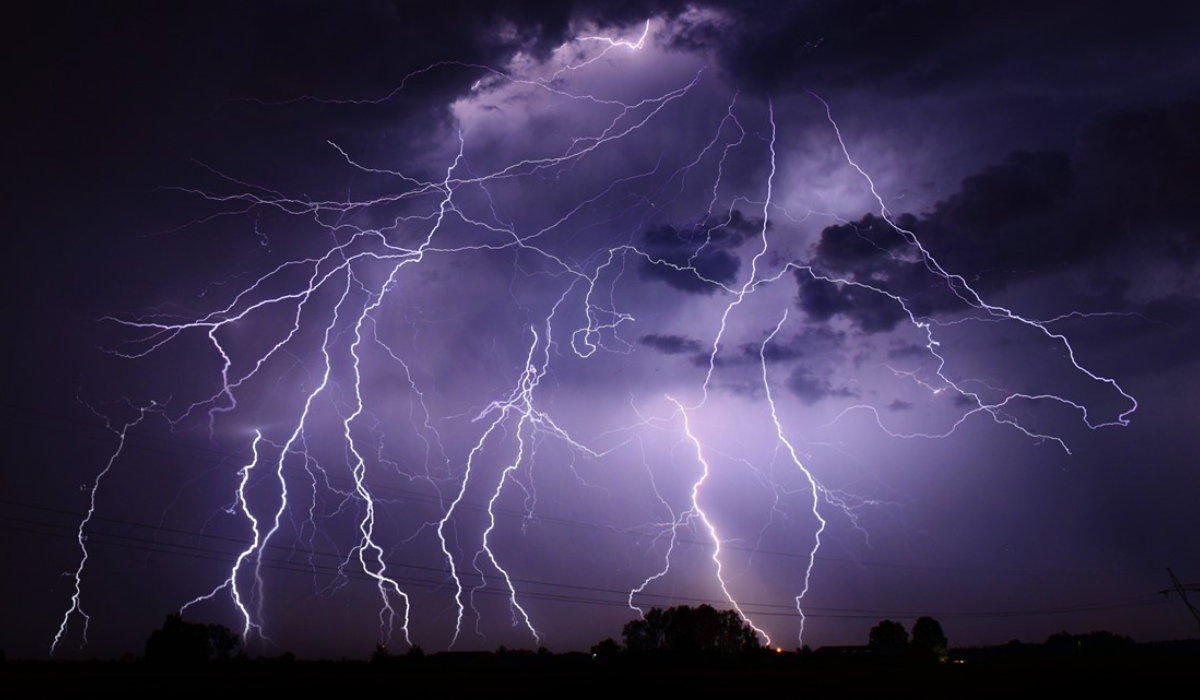
Forecast: Fort Worth is quite active with severe thunderstorms and potential tornadoes.
Risk Categories: Dallas-Fort Worth was recently under a Category 4 "moderate" risk, indicating a likelihood of widespread, long-lived, and intense storms.
Storm Dynamics: Storms developed west of DFW, moving eastward with a primary threat of strong wind gusts and large hail. Spin-up tornadoes are also possible.
Climatic Overview:: North Central Texas has a humid subtropical climate with significant variability in temperature and precipitation patterns. Events like droughts are influenced by factors like La Niña and the Atlantic Multidecadal Oscillation.
Urban Heat Island in Fort Worth
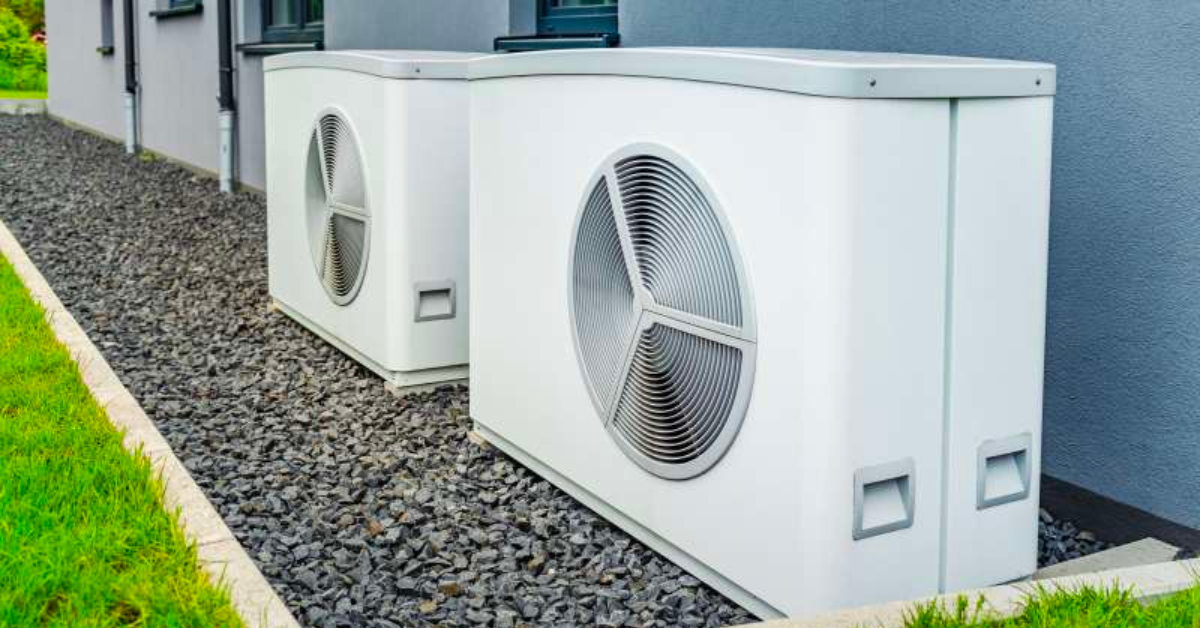
The Urban Heat Island (UHI) effect is a well-documented phenomenon where urban areas experience higher temperatures than their rural surroundings. This is primarily due to human activities and the characteristics of urban landscapes.
Like many urban areas, Fort Worth would experience the UHI effect due to its urban development, infrastructure, and human activities.
The effects might be more pronounced during summer months when the temperature difference between urban and rural areas is the greatest.
Local meteorological conditions, the city’s layout, and specific urbanization patterns will also influence the extent of the UHI effect in Fort Worth.
We do insurance better. And here’s how.
- Save an average of $250 per year
- File a claim in 3 minutes
- Easily manage your policy online
- Skip the faxing, long paperwork, and unnecessary phone calls
- Get support from an American-based team
Are you in Fort Worth, TX, looking for mobile home insurance
Choice of 6 insurance coverage in Fort Worth, TX.

Military Personnel
What it is: Protects against personal property loss for military members when deployed.
Why it's needed: Offers peace of mind to those serving their country, ensuring their property is safe.
Solar Energy System Coverage
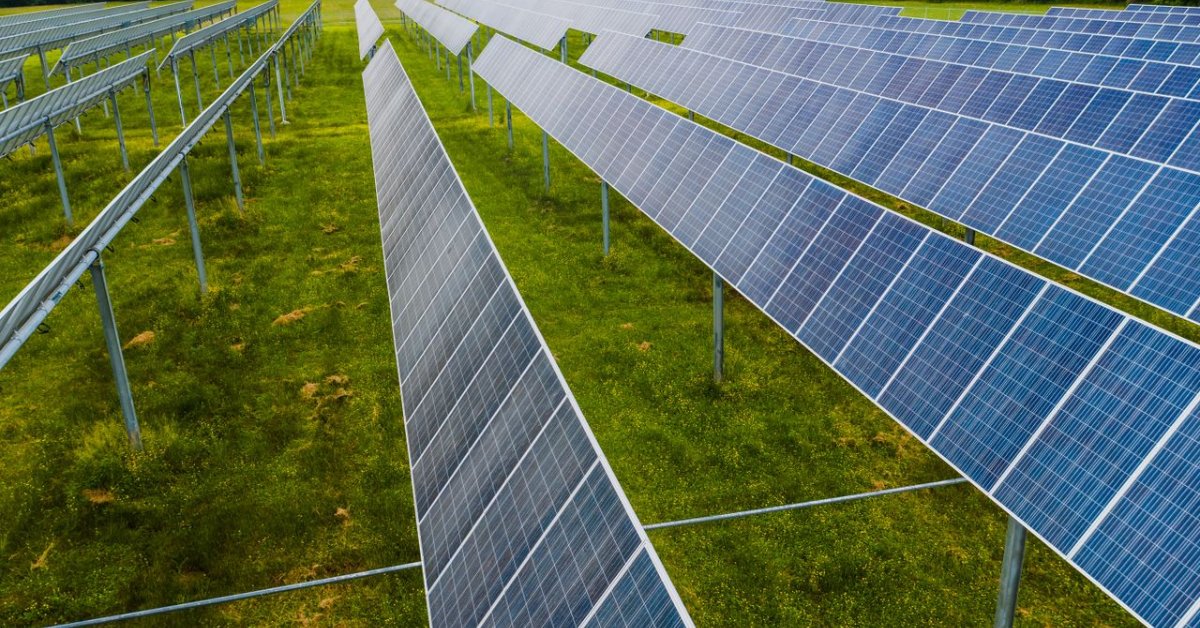
What it is: Protection for homeowners with solar energy systems, like panels.
Why it's needed: Solar systems can be costly to install and repair, so this ensures they're protected.
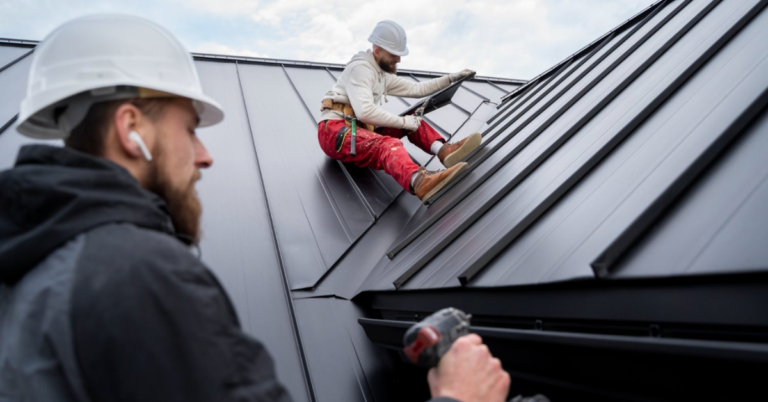
Enhanced Roof Replacement
What it is: Offers extra funds to replace roofs with eco-friendly materials.
Why it's needed: Promotes sustainability and ensures an eco-friendly roof replacement option.

Business Property
What it is: Extends coverage to business property stored or used in the home.
Why it's needed: For those who run a home-based business or store business items at home, it ensures they're financially protected.

Enhanced Dwelling Protection
What it is: Provides added coverage for rebuilding expenses that go over the policy's stated limit.
Why it's needed: Rebuilding costs can escalate due to factors like increased materials prices or changes in building codes. This ensures full coverage.

Equipment Breakdown
What it is: Coverage for the cost of repairing or replacing household appliances after mechanical or electrical failures.
Why it's needed: Household appliances are essential and can be expensive to repair or replace. This coverage minimizes those costs.
Mobile Home Facts : Texas
Treatment of Manufactured Home as Real Property:
- Once a “real property election” for a manufactured home is completed, the home is deemed as real property.
- This status remains unless the home is moved, the election changes, or the property’s use alters.
- Once a statement of ownership and location is given by the department, it’s final. Changes can only be made if all parties agree, or specific procedures are followed.
- If taking responsibility for a Statement of Ownership, ensure all housing department steps are followed, including necessary notifications.
According to the Texas Underwriting Manual TX: 12.24:
- 12.24.3: Any manufactured housing unit on the property isn’t included in the land described in this commitment or policy.
- 12.24.4: Upon a lender’s request and payment as specified in R-11(e), the T-31 and/or T-31.1 Endorsements can be issued; T-31.1 can be given to both the owner and the lender.
Learn about Texas Homeowner Assistance: Two Vital Programs!
Texas residents who are struggling with home-related expenses have two vital assistance programs available: the Texas Homeowner Assistance Program due to the COVID-19 pandemic and the Homeowner Assistance Program (HAP) following Hurricane Harvey.
Treatment of Manufactured Home as Real Property:
Purpose: Support homeowners impacted by Hurricane Harvey to repair, rebuild, and enhance their homes.
Services Offered: Financial support for affected homeowners.
Homeowner Assistance Program (HAP):
Purpose: Support homeowners impacted by Hurricane Harvey to repair, rebuild, and enhance their homes.
Services Offered: Home repairs and rehabilitation I Home reconstruction I Enhancements for better resilience against natural disasters I Elevating homes above flood levels along with reconstruction aid I Temporary relocation aid
Residents are encouraged to assess their eligibility and take advantage of these programs to secure and improve their homes.
Texas Coastal Property Insurance Pool Programs!
The Texas Coastal Insurance Pool (TCIP), formerly known as the Texas Windstorm Insurance Association (TWIA), is a vital insurance entity designed to protect homeowners in the Texas coastal regions. Established in the face of limited private insurance options, the TCIP provides wind and hail coverage to properties located in certain parts of Texas’s seacoast territory.
Key Features:
Rates:
Inland of the Intracoastal Canal $2.50 per $100 coverage 42 Effective October 1, 2008 Seaward of the Intracoastal Canal $5.00 per $100 coverage
Eligibility for TWIA:
A mobile home located in a designated catastrophe area that meets the following criteria is eligible to be insured under the T.W.I.A. Dwelling Policy with Form No. TWIA-411, Conversion to TWIA Manufactured Home Policy attached to the policy.
The mobile home complies with the definition of manufactured home under the rules and regulations of the Texas Department of Housing and Community Affairs (TDHCA). Criteria 2 The mobile home is occupied solely as a one or two family residence. Criteria 3Additions to Mobile Homes:
- A site-built addition attached to a mobile home will rate as part of the mobile home.
- A building certification from the Texas Department of Insurance is required for the site-built addition.
- Separate structures (not physically attached to the mobile home) are not eligible for insurance under the T.W.I.A. Dwelling Policy with Form No. TWIA411, Conversion to TWIA Manufactured Home Policy attached to the policy. Refer to eligibility requirements for insurance under the Association’s Dwelling Policy.
Deductibles:
- The following deductibles are mandatory under the T.W.I.A. Dwelling Policy with Form No. TWIA-411, Conversion to TWIA Manufactured Home Policy attached to the policy. a. Homes located inland of the Intracoastal Canal: 1% of limit of liability with a $250 minimum (TWIA Form No. 570) b. Homes located seaward of the Intracoastal Canal: 2% of the limit of liability with a $250 minimum (TWIA Form No. 575)
- Deductibles apply separately to the home and household goods items on the policy.
Limit of Liability:
The maximum limit of liability for a mobile home, including any site-built additions attached to the home, and household goods is $84,000.
Policy Forms & Endorsements:
The following policy form is to be used: T.W.I.A. Dwelling Policy with Form No. TWIA-411, Conversion to TWIA Manufactured Home Policy attached to the policy
Know Your Rights!
Additional Policy Riders for Mobile Home Insurance in Texas:
Adding policy options to a basic insurance plan is a common practice in the mobile home insurance industry. While the events covered in mobile home policies are similar across all states, additional coverage options, known as add-ons, endorsements, and riders, may vary depending on your location and insurance provider. Each of these options comes at an additional cost that can be customized according to your needs.
Provides protection against flood-related damages, excluding waterline or sewer backups. Average annual cost: $700. Earthquake InsuranceAdding any rider will increase your premiums, influenced by location, risk profile, chosen coverage, and deductible. Riders can be added during initial policy purchase, at renewal, or anytime during the policy period. Some carriers might not offer all endorsements, so shopping around might be necessary.