
Insurance guides
Protect Your Manufactured Home in Port Royal, SC
Disclaimer: Data Accuracy and Sources
The data in the Covertree Resources section is from publicly available sources last updated in December 2022. We provide source links for verification. However, we can’t guarantee accuracy. Rely on this data at your own discretion. For specific advice, consult professionals.
Welcome to Port Royal, South Carolina– a picturesque coastal town nestled in the heart of the Lowcountry in South Carolina. Known for its rich history, stunning natural beauty, and friendly community, Port Royal is a hidden gem that offers a peaceful and charming escape with a strong sense of place and tradition.
As you meander through the streets of Port Royal, you’ll be captivated by its historical significance and coastal charm. The town’s storied past as a key location during colonial times and the Civil War is evident in its well-preserved architecture and the historical markers that dot the landscape. The Old Village area of Port Royal is particularly notable for its quaint homes and oak-lined streets, offering a glimpse into the town’s rich heritage.
Port Royal’s relationship with the sea is central to its identity. The town boasts a beautiful natural harbor and is bordered by tidal creeks and marshes, making it a haven for boating, fishing, and kayaking enthusiasts. The Sands Beach in Port Royal provides a unique spot for beachcombing, bird watching, and enjoying stunning views of the Beaufort River and Intracoastal Waterway.
Community life in Port Royal is vibrant and inclusive, marked by numerous events and festivals that celebrate the town’s culture and history. The annual Soft Shell Crab Festival is a local favorite, showcasing the town’s seafood heritage with a day of food, music, and family-friendly activities.
The culinary scene in Port Royal reflects its coastal setting, with local restaurants serving fresh seafood and Lowcountry specialties. These eateries, often set in scenic locations, offer not just a meal but an experience that embodies the relaxed and hospitable spirit of the town.
Port Royal is also a town that values its natural environment. The Cypress Wetlands, a stunning nature preserve, provides a sanctuary for a diverse array of wildlife and offers walking trails for residents and visitors to enjoy the beauty of the Lowcountry landscape.
Education and community engagement are important in Port Royal, with schools and community programs fostering a sense of pride and connection among residents. The town’s commitment to preserving its history and environment for future generations is a testament to its forward-thinking and community-focused ethos.
In Port Royal, South Carolina, every historic site, peaceful marshland, and community gathering tells a story of a town that cherishes its past, enjoys its present, and welcomes its future with open arms. Welcome to Port Royal, where the allure of the coast, the richness of history, and the warmth of a close-knit community come together to create a truly enchanting Lowcountry experience.
Understanding Mobile Home Insurance in South Carolina
South Carolina law, under Title 38 - Insurance, specifically addresses mobile home and manufactured home insurance in several key sections. These laws dictate that mobile home insurance policies cannot exceed three years in duration and must offer full refunds of unearned premiums if the policy is canceled.
The law also:
- Restricts the amount of insurance that can be written, ensuring it does not exceed the property’s value.
- Mandates that information about these insurance requirements must be clearly stated in mobile home purchase contracts.
- Specifies that insurers cannot force policyholders to buy insurance from a particular company or agent, preserving the buyer’s freedom to choose their insurer.
- Aims to protect mobile home owners and ensure fair and transparent insurance practices.
In addition to the regulations on policy duration and refunds, South Carolina law also includes:
- Provisions ensuring fair and reasonable insurance practices for mobile homes.
- For instance, policies must clearly state the maximum amounts for which they can be written, aligning with the property’s actual value, to prevent over-insurance.
- In cases of total loss, the insured is entitled to recover the full insurance amount, while in partial losses, they are only entitled to the actual loss amount, not exceeding the policy’s limit.
- Regulations regarding the distribution of unearned premiums in the event of a policy cancellation, ensuring that any unearned portion is refunded fully or applied appropriately.
- These measures are in place to protect mobile home owners from unfair insurance practices and financial losses, providing a level of security and clarity in their insurance coverage.
Do I Need Mobile Home Insurance in South Carolina?
Opting for mobile home insurance, although not legally mandatory, is a prudent choice, especially if you're considering a mortgage on your mobile home. Given the average value of a mobile home is at around $83,000, securing insurance is a strategic move to safeguard your home and personal property. Despite the potential expense, the lack of insurance exposes you to significant financial risks in the event of damage or loss.
Coverage Options for Mobile Home Insurance in Alabama
Cost of Mobile Home Insurance in SC
Average Cost:
Factors Influencing Cost:
- Mobile Home Value: More expensive homes may have higher insurance costs.
- Location: Areas prone to natural disasters or high crime rates might see increased rates.
- Age of Mobile Home: Older homes might incur higher insurance costs due to increased risk of damage.
- Coverage Limits and Deductibles: Choosing higher coverage limits or lower deductibles can increase premiums, while opting for basic coverage with higher deductibles may reduce the cost.
Getting Quotes:
Coverage Details
Physical Damage:
Mobile Home Damage:
Personal Property:
Personal Liability:
Other Structures:
Living Expenses:
Additional Considerations
In summary, while mobile home insurance is not legally mandated, it offers significant financial protection against a range of potential risks and damages. The cost can vary based on several factors, and it's important to thoroughly understand what is covered under your policy, especially for specific risks like natural disasters.
Customization:
Natural Disaster Coverage:
Comparative Shopping:
Understanding Coverage Exclusions in Mobile Home Insurance
Mobile home insurance, much like standard homeowners policies, comes with certain exclusions. It's important to be aware of these to understand the extent of your coverage. Common exclusions typically include:
Sewer Backups:
Earthquakes:
Floods:
In-Transit Incidents:
Zoning Laws
Routine Maintenance:
Pest Control:
Deterioration and Rust:
Home-Based Business:
Mold:
Exploring Additional Insurance Options
For the above exclusions, you may have the option to purchase additional, separate insurance policies. It’s advisable to consult with an insurance agent to discuss available options and ensure comprehensive coverage for your mobile home. This proactive approach can help fill any gaps in your standard policy and provide peace of mind.
Exploring Additional Insurance Options
Understanding Hazard Insurance on Mobile Homes in South Carolina
Hazard insurance for mobile homes is a specific type of insurance policy designed to protect homeowners from various risks and damages specifically related to mobile homes. This insurance typically covers losses from events like fires, storms, theft, and other hazards that can cause physical damage to a mobile home. In South Carolina, certain regulations and provisions under the state law govern the issuance, duration, and terms of these policies, ensuring fair practices and protection for mobile home owners. Here's a detailed look at the key aspects of Hazard Insurance on Mobile Homes as outlined in Article 3 of the South Carolina Code of Laws:
Understanding Hazard Insurance on Mobile Homes in South Carolina
Policy Duration Limit (SECTION 38-75-210):
- Hazard insurance policies for mobile homes in South Carolina are limited to a maximum term of three years.
- If a policy is canceled, premiums for the unused term are considered unearned and must be fully refunded, whether the cancellation is initiated by the insurer or the insured.
- Refund policies vary depending on the timing of the cancellation relative to the policy term.
Insurance Amount Restrictions (SECTION 38-75-220):
- Insurers cannot issue a policy for a value exceeding the mobile home’s stated value or actual property value.
- The insurance amount must be agreed upon between the insurer and the insured at or before issuing the policy.
- In the event of a total loss due to an insured hazard, the insured is entitled to the full insurance amount. For partial losses, the payout is the actual loss amount, up to the insured value.
- Policies on the same property are considered contributive, and insurers share liability proportionately if the total insurance exceeds the home’s insurable value.
Contract Requirements for Mobile Home Purchase (SECTION 38-75-230):
- Contracts for purchasing a mobile home must include provisions of SECTION 38-75-210.
- The contract must inform buyers that it is illegal in South Carolina for a mobile home seller or a lender to require the buyer to purchase hazard insurance from a specific insurer or agent. This section also provides information on where to report violations of this law.
These regulations ensure that mobile home owners in South Carolina are adequately protected and informed about their rights and obligations regarding hazard insurance.
Overview of Wind and Hail Insurance in South Carolina
Wind and Hail Insurance is a specific type of property insurance in South Carolina, focusing on covering losses due to windstorms and hail, particularly in the state's coastal areas. This insurance is crucial for homeowners and property owners in regions prone to such natural hazards. The following are key sections from the South Carolina Code of Laws that detail the regulations and structures governing Wind and Hail Insurance:
Overview of Wind and Hail Insurance in South Carolina
Definitions (SECTION 38-75-310):
- Essential Property Insurance: Coverage against direct loss to property defined in the wind and hail insurance policy. It may include business income loss, additional living expense, or fair rental value loss.
- Association: Refers to the South Carolina Wind and Hail Underwriting Association.
- Plan of Operation: The operational plan of the association, as approved by the department.
- Insurable Property: Immovable or tangible personal property in specific coastal areas, subject to certain conditions and standards.
- Coastal Area: Defined regions in South Carolina’s counties like Beaufort, Colleton, Georgetown, Horry, and Charleston, among others.
Declaration of Purpose (SECTION 38-75-320):
- The article aims to ensure a sufficient market for wind and hail insurance in South Carolina’s coastal areas.
South Carolina Wind and Hail Underwriting Association (SECTION 38-75-330):
- Creation of the association, comprising private insurers authorized to write property insurance in the state, to provide wind and hail insurance in coastal areas.
Plan of Operation (SECTION 38-75-340):
- Details the administrative structure of the association, including board composition, management, underwriting standards, rates, and procedures for processing insurance applications.
Application for Coverage (SECTION 38-75-350):
- Procedure for applying for coverage, conditions for issuing policies, and the appeal process for denied applications.
Powers of the Association (SECTION 38-75-360):
The association’s authority and responsibilities, including issuing policies, reinsurance activities, property management, contracting, and financial transactions.
These sections collectively establish the framework for providing wind and hail insurance in South Carolina's coastal areas, ensuring adequate protection for properties against these specific natural hazards.
Learn About The South Carolina Wind and Hail Underwriting Association (SCWHUA)
also known as the Wind Pool, plays a crucial role in providing wind and hail insurance coverage in the coastal areas of South Carolina, particularly for those who cannot obtain such coverage through the standard insurance market. Here's an overview of key aspects of the SCWHUA:
Overview
- Purpose: SCWHUA was established to ensure the availability of wind and hail insurance for home and business owners in coastal areas, particularly those close to the coastline where standard insurance is often unavailable.
- Territory Covered: The coverage is specifically for the coastal areas designated by the South Carolina Legislature as “Beach.”
Operation and Eligibility
- Board of Directors: The Association is governed by a Board comprising 11 insurance company representatives, 2 coastal insurance agents, and 4 consumer representatives.
- Eligibility: Coverage is available to almost anyone in the designated coastal area of South Carolina. The Association is considered a market of last resort, and it is recommended to seek insurance in the standard market first.
Claims Handling
- Process: In the event of a loss, insured parties should promptly contact their insurance producer and provide a list of damaged or destroyed items. Protection against both wind and water damage, including storm surges and high tides, is emphasized.
- Flood Insurance: Policyholders are advised to discuss flood insurance with their agents, as it’s a separate consideration.
Comparison Shopping
Agents and Coverage
- Agents: All business must be handled by an independent agent chosen by the consumer. Producers, who are licensed by the South Carolina Department of Insurance, can submit applications but have no authority to make decisions on behalf of the Association.
- Coverages: The Association offers a limited peril policy for wind and hail damage. Coverage limits for personal and commercial risks are up to $1.3 million and $2.5 million, respectively. Policies are written annually.
Property Standards and Compliance
Policy Initiation and Continuation
- New Policies: Coverage begins 16 days after the online submission of a completed application.
- Renewals: For continued coverage, a new application and premium payment are required annually. Rewrite policies must be submitted online within 7 days of policy expiration.
Cancellation, Non Renewal, and Renewal of Property Insurance and Casualty Insurance (SECTIONS 38-75-710 to 38-75-790)
These sections collectively provide a regulatory framework ensuring fair practices in the insurance industry, especially concerning policy renewals and cancellations, while also promoting risk mitigation and public awareness about insurance options and rights.
Scope and Definitions:
Restrictions and Notice Requirements:
Non Renewal Procedures:
Renewal Requirements:
Notification Requirements:
Unlawful Practices:
Coverage for Health Care Providers:
Liability Exemptions:
Protection Against Non Renewal for Acts of God:
RV Insurance Facts in SC:
South Carolina: A Haven for RV Travelers
With destinations ranging from the picturesque Myrtle Beach to the wilderness of Congaree National Park, South Carolina is a prime spot for RV travel. An RV not only offers a cost-effective alternative to traditional travel but also enriches the experience with its flexibility. However, prior to journeying through the Palmetto State, it's vital to grasp the essentials of RV insurance in this region.
Legal Requirements for RV Insurance in South Carolina
1) Drivable RVs must have bodily injury liability, property damage liability, and uninsured motorist coverage.
2) If your RV is financed, lenders may require comprehensive and collision coverage.
Key Components of RV Insurance in South Carolina
RV insurance in the state encompasses a variety of protections, extending to your vehicle, other properties, and individuals involved in accidents. Understanding these components ensures comprehensive coverage:
Mandatory Liability Coverage
- Bodily Injury Liability: Essential for all drivable RVs, this coverage handles medical expenses of others in accidents where you’re liable. South Carolina mandates a minimum coverage of $25,000 per person and $50,000 per accident.
- Property Damage Liability: This coverage, also compulsory, caters to damages you cause to others’ property during accidents, with a statutory minimum of $25,000 per incident.
Additional Insurance Options
- Uninsured/Underinsured Motorist Coverage: Protects you against damages caused by uninsured drivers, with mandated limits akin to bodily injury liability.
- Collision Coverage: Irrespective of fault, this option covers damages to your RV in accidents.
- Comprehensive Coverage: This broad coverage includes non-collision-related damages like theft, natural disasters, and vandalism.
- Medical Payments Coverage: Addresses medical expenses for injuries within your RV, beneficial regardless of fault.
- Personal Effects Replacement: Aids in replacing personal belongings damaged, destroyed, or stolen from your RV.
- Total Loss Replacement: Particularly useful for newer RVs, offering replacement or reimbursement post-totaling.
- Roadside Assistance and Towing & Labor: Provides aid during mechanical breakdowns, especially vital for drivable RVs.
- Vacation Liability Coverage: Offers protection against liabilities when your RV is parked at campsites.
Choosing the Right Mobile Home Insurance for Port Royal, SC
Weather & Environmental Risks:
Remember to stay updated on local weather forecasts and follow any official advisories or warnings in order to stay safe and prepared for the specific weather risks unique to Port Royal, SC.
Hurricanes and Tropical Storms in Port Royal, SC
- Port Royal, SC is located along the coast, making it susceptible to hurricanes and tropical storms.
- Between 1996-2019, the area has experienced the following:
- 10 hurricanes and tropical storms causing significant property damage and power outages.
- Tips for mobile homeowners and RV owners in Port Royal, SC:
- Stay informed about hurricane watches and warnings and have a plan for evacuation if necessary.
- Consider hurricane straps or anchors to secure your mobile home or RV.
- Maintain a well-stocked emergency kit with essential supplies, including food, water, medications, and batteries.
- Keep your mobile home or RV insurance up to date, ensuring it covers potential hurricane damage.
Coastal Flooding in Port Royal, SC
- Port Royal, SC is prone to coastal flooding, especially during high tides and storm surges.
- Tips for mobile homeowners and RV owners in Port Royal, SC:
- If you live in a flood-prone area, consider elevating your mobile home or RV on blocks to reduce the risk of water damage.
- Park your mobile home or RV on higher ground if possible, especially during periods of heavy rainfall or storms.
- Purchase flood insurance to protect your property in case of coastal flooding.
- Have a plan for quick evacuation if flood waters rise rapidly.
Heat and Humidity in Port Royal, SC
- Ensure your mobile home or RV has proper ventilation, such as fans or air conditioning, to combat high temperatures and humidity.
- Use shades or awnings to block direct sunlight and reduce heat inside your mobile home or RV.
- Stay hydrated and limit outdoor activities during the hottest times of the day to avoid heat-related illnesses.
- Keep windows and doors properly sealed to prevent moisture intrusion and mold growth.
Crime Rates:
Crime Statistics for Port Royal, SC
- The crime rate in Port Royal is considerably higher than the national average across all communities in America, although it is not among the communities with the very highest crime rate.
- The chance of becoming a victim of either violent or property crime in Port Royal is 1 in 55.
- Port Royal has a crime rate higher than 44% of the cities and towns in South Carolina.
Violent Crime in Port Royal, SC
- Violent crime in Port Royal occurs at a rate higher than in most communities in America of all population sizes.
- The chance of becoming a victim of a violent crime in Port Royal, such as armed robbery, aggravated assault, rape, or murder, is 1 in 286.
Property Crime in Port Royal, SC
- Port Royal has an above-average chance of becoming a victim of a property crime compared to other communities in America.
- Property crimes include motor vehicle theft, arson, larceny, and burglary.
- The chance of becoming a victim of any of these crimes in Port Royal is 1 in 68.
Tips for Mobile Homeowners and RV Owners in Port Royal, SC
- Secure your property with locks, alarms, and surveillance cameras.
- Park your mobile home or RV in secure areas or RV parks with provided security measures.
- Be aware of your surroundings and report any suspicious activities to local authorities.
Additional Tips:
Remember, maintaining personal safety is crucial in Myrtle Beach, especially due to the higher crime rate and the city's popularity among tourists. It is important to be vigilant, take necessary precautions, and stay informed about local safety resources and initiatives. Regular communication with law enforcement agencies and community organizations can provide additional guidance on crime prevention and specific safety tips for mobile homeowners and RV owners.

Foundation Checks
Regularly check the foundation and anchoring of your mobile or manufactured home, as shifting can occur over time.
Flood Insurance
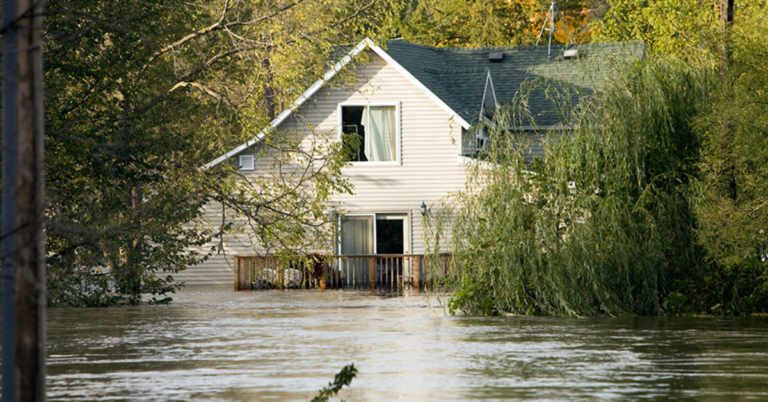
Given the flood risks in some parts of South Carolina, check if you need flood insurance, which is not typically covered in standard policies.

Vehicle Parking Regulations
Familiarize yourself with parking regulations in your community, especially for additional vehicles, boats, or RVs.

Landscaping for Protection
Use landscaping strategically to protect your home from weather elements and improve aesthetics.

Zoning Laws Awareness
Be aware of local zoning laws, especially if you plan to make significant changes to your home or property.

Understand Depreciation
Be aware of how mobile homes depreciate over time and how this affects insurance, resale value, and taxes.
South Carolina Home Facts
In South Carolina, with a population exceeding 4.7 million, the typical sales price for a standard home is around $225,000. In contrast, modular homes in the state are more budget-friendly, averaging between $50 to $70 per square foot. This puts the average cost of a modular home at about $108,000, presenting a cost-effective option for those looking to buy a home in South Carolina. However, it’s important to note that in urban areas like Columbia and Charleston, prices can be higher due to more expensive land and site development costs.
In SC, around 20% of South Carolina families, equating to over 355,000 households, reside in manufactured homes. This choice is popular due to the state’s vast agricultural lands and appealing coastline, ideal for both farming and family living. Some interesting aspects of mobile home living in South Carolina include:
- The average cost of a previously owned home is approximately $69,166.
- The typical pre-owned home in the state dates back to around 2006.
- These homes usually offer about 1540 square feet of living space.
- An average manufactured home community in South Carolina consists of around 126 homes.
- Most of these communities were established in or around 1983.
- There are 27 age-restricted communities, alongside 339 communities suitable for all ages.
Mobile Homes in SC – Did You Know?
Here are 10 facts about mobile/manufactured homes and RVs in South Carolina:
- High Prevalence: South Carolina has one of the highest rates of mobile homes per capita in the United States, with these homes comprising over 20% of the state’s housing units.
- Affordability: Mobile homes offer an affordable housing alternative in South Carolina, with prices significantly lower than conventional homes.
- Distribution: Mobile homes are found in nearly every ZIP code across South Carolina, reflecting their widespread popularity.
- Construction and Classification: Mobile homes are typically factory-built and transported to their location, whereas modular homes, also prevalent in the state, are assembled on-site and often categorized similarly to traditional homes by insurance companies.
- Susceptibility to Weather: Due to their construction, mobile homes in South Carolina are particularly vulnerable to damage from the state’s frequent strong winds, heavy rains, and hurricanes.
- Installation Regulations: South Carolina has specific regulations (S.C. Code Regs. § 79-42) governing the installation of manufactured homes, focusing on safety and durability.
- RV Popularity: Recreational Vehicles (RVs) are popular in South Carolina, especially in coastal areas and near tourist destinations like Myrtle Beach, due to the state’s scenic beauty and mild climate.
- RV Parks and Campgrounds: The state boasts numerous RV parks and campgrounds, catering to both short-term vacationers and long-term residents.
- Insurance Considerations: Insurance for mobile homes and RVs in South Carolina is crucial due to the high risk of natural disasters. Standard policies typically cover a range of perils but may exclude specific events like floods and earthquakes.
- Economic Impact: The mobile home and RV industries contribute significantly to South Carolina’s economy, not just in sales and manufacturing but also through tourism, parks, and associated services.
These facts highlight the significance of mobile/manufactured homes and RVs in South Carolina’s housing landscape and economy, as well as the unique challenges and opportunities they present.
Manufactured Housing Institute of South Carolina
The Manufactured Housing Institute of South Carolina (MHISC)- is a non-profit business association representing the manufactured and modular housing industries in South Carolina. Founded in 1967, the member-run organization aims to maximize opportunities for South Carolinians to enjoy the benefits of factory-built homes.
MHISC’s mission is to create a regulatory climate at the state and local level that allows the industry to thrive. They work towards favorable laws benefiting member companies and create marketing opportunities within the industry and with future customers.
The association operates two divisions: the Manufactured Housing Institute of SC and the SC Modular Housing Institute. MHISC is an active member of the National Manufactured Housing Institute in Washington and the National Modular Housing Council. They have six local chapters: Charleston, Grand Strand, Midlands, Low Country, Pee Dee, and Upstate Chapters.
The staff at MHISC has years of experience in association management, marketing, media relations, membership services, political development, local government planning, and business management. They are dedicated to providing excellent service to members and educating the public and state and local policy-makers about the benefits of manufactured homes.
For more information on membership, resources, and other inquiries, visit the MHISC website.

Disclaimer: The information provided here regarding mobile and manufactured homes in South Carolina, including pricing, statistics, and community details, is intended for general informational purposes only. It is based on data and estimates that may vary and is subject to change over time. This information should not be used as a sole basis for making financial, investment, or any other decisions. Actual prices and conditions can differ based on specific locations, market changes, and other factors. It is advisable to conduct thorough research and consult with real estate professionals or other relevant experts for current and detailed insights before making any property-related decisions.
Know Your Rights:
- South Carolina Code of Laws
- South Carolina Manufactured Housing Laws and Regulations
- Code of Laws of South Carolina 1976 | Article 3 – HAZARD INSURANCE ON MOBILE HOMES | Casetext
- The Difference Between Mobile Homes And Manufactured Homes In South Carolina
- Do I Need Insurance For My Mobile Home In South Carolina?
Finding the Best Mobile Home Insurance in Port Royal, SC
It’s essential to compare quotes from various insurance providers and work with local agencies that understand Port Royal’s specific risks.
These are some things you should look out for in an insurance plan for Port Royal:
Location and Property Crime in Port Royal, SC
- Port Royal, SC is a coastal community known for its scenic beauty and relatively lower property crime rates compared to national averages. However, it is recommended to research local crime statistics and consult with insurance providers to understand the specific risks in the area and ensure appropriate coverage.
- Port Royal, SC is located on the coast and experiences unique weather conditions that may require specific insurance coverage, including:
- Hurricane or tropical storm insurance: Due to the area’s vulnerability to hurricanes and tropical storms, it is advisable to consider insurance coverage that protects against damage caused by these events.
- Flood insurance: Port Royal is situated in a flood-prone region. Considering flood insurance is essential to protect against potential flood-related damages to your property.
- Earthquake Coverage: This endorsement provides coverage for damage caused by earthquakes. Although earthquakes are rare in South Carolina, it may be worth considering for added protection.
- Additional Living Expenses Coverage: This addition ensures coverage for temporary living expenses if you are unable to stay in your mobile or manufactured home due to a covered loss, such as a fire or severe weather.
Endorsements or Insurance Additions for RV Owners in Port Royal, SC
- Emergency Expense Coverage: This endorsement provides coverage for immediate expenses such as lodging, transportation, or meals if your RV becomes uninhabitable due to a covered loss.
- Full Timer’s Package: This addition provides coverage specifically designed for those who use their RV as a permanent residence, offering comprehensive personal liability coverage and additional protection for personal belongings.
Remember to consult with insurance providers to determine the specific endorsements or additions that may be relevant to your individual circumstances and to ensure you have adequate coverage for your mobile home, manufactured home, or RV in Port Royal, SC.
References:
Arizona
Texas
Michigan
New Mexico
Alabama
- Alabaster, AL
- Albertville, AL
- Anniston, AL
- Athens, AL
- Auburn, AL
Georgia
South Carolina
- Aiken, SC
- Anderson, SC
- Beaufort, SC
- Berea, SC
- Bluffton, SC