
Insurance guides
Protect Your Manufactured Home in Rome, GA
Disclaimer: Data Accuracy and Sources
The data in the Covertree Resources section is from publicly available sources last updated in December 2022. We provide source links for verification. However, we can’t guarantee accuracy. Rely on this data at your own discretion. For specific advice, consult professionals.
Welcome to Rome, Georgia – a city where history comes alive against a backdrop of stunning natural beauty. Situated in the heart of the picturesque Appalachian foothills, Rome offers a captivating blend of southern charm, rich heritage, and a thriving community. With its deep-rooted history, diverse attractions, and a strong dedication to preserving its unique character, Rome has become a beloved destination for residents and visitors seeking a perfect balance between small-town allure and outdoor adventure.
Rome’s history traces back to prehistoric times when Native American tribes inhabited the area for thousands of years. The city’s recorded history began in 1834 when European settlers established a trading post and named the area after the famous city in Italy. As one of Georgia’s oldest cities, Rome played a significant role in the region’s development, serving as a major center for commerce and industry.
One of the prominent attractions in Rome is the Historic Downtown District. As you wander the picturesque streets lined with beautifully preserved Victorian-style buildings, you’ll find a wealth of shops, art galleries, and eateries. Dive into the city’s history at the Rome Area History Museum, where exhibits and artifacts showcase Rome’s past, including its Native American heritage, the Civil War era, and the industrial boom. Don’t miss the stunning Clocktower, a local landmark dating back to the late 19th century.
Nature enthusiasts will be enthralled by Rome’s abundant natural beauty. Explore the Etowah Indian Mounds State Historic Site, home to ancient Native American ruins and a fascinating museum that delves into the history and culture of the Mississippian people. For outdoor adventure, venture to the breathtaking Rome Braves Stadium, situated on the banks of the scenic Oostanaula River. Enjoy a baseball game while taking in the stunning views and serene atmosphere.
Obscure facts add even more intrigue to Rome. Did you know that Rome was home to the famed Martha Berry, a renowned educator and philanthropist? She founded Berry College, one of the world’s largest college campuses, which has become a cherished institution within the city. Another interesting fact is that Rome was famously known as the “Tennis Capital of the South” during the early 20th century, attracting tennis players from around the country to compete in tournaments held at the esteemed Lawn Tennis Club.
Rome offers an exceptional quality of life, making it an inviting place to call home. The city provides excellent educational opportunities, strong healthcare facilities, safe neighborhoods, and a supportive community. With its close proximity to Atlanta, residents can easily access the city’s world-class amenities, including cultural attractions, major sports events, and a thriving job market.
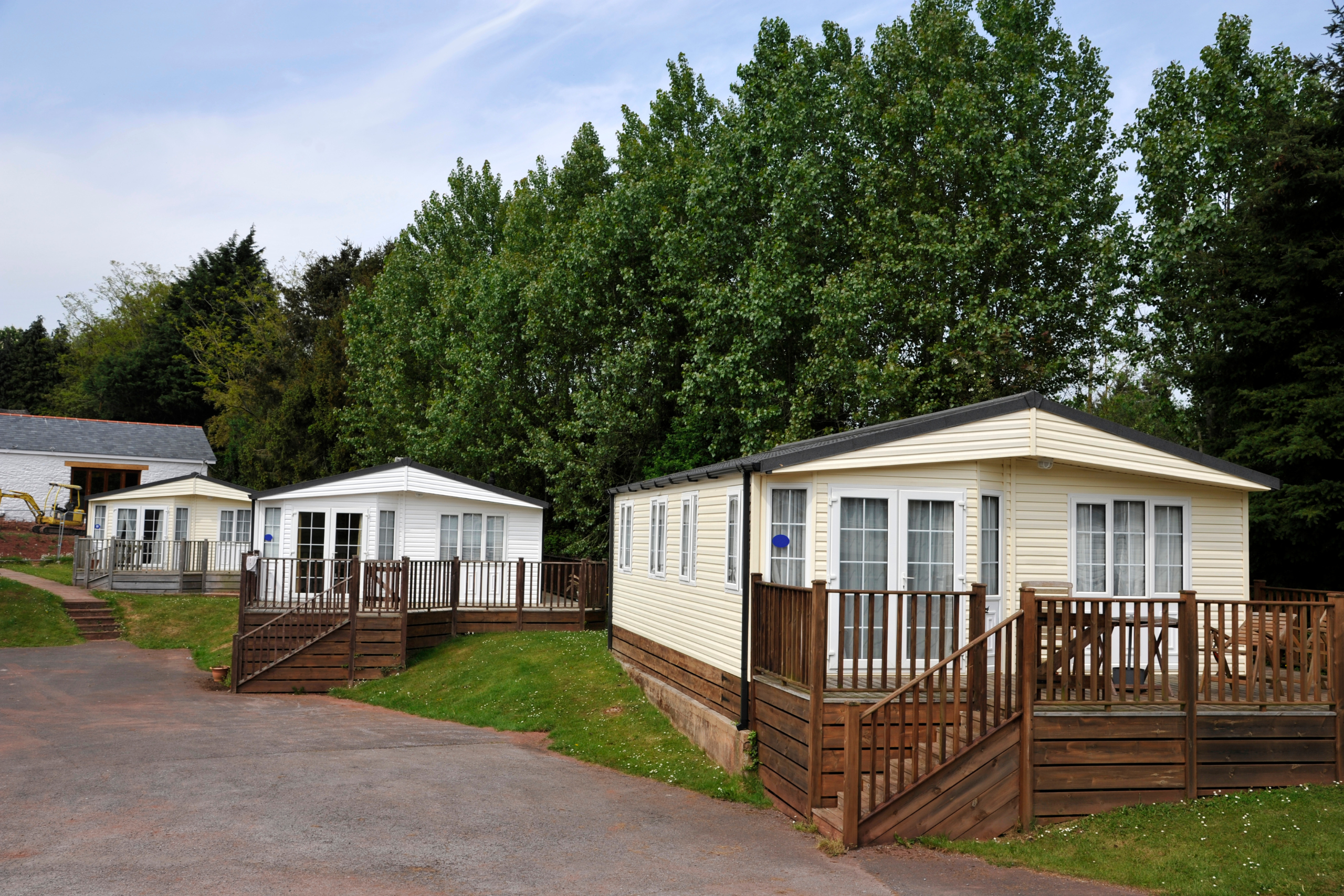
For RV enthusiasts, Rome and its surrounding areas offer a variety of outdoor destinations and activities. Spend a memorable day camping and fishing at John Tanner State Park, a serene retreat located just a short drive from the city. The park offers spacious RV sites, picnic areas, and a tranquil lake for boating and swimming. Mobile, manufactured, and modular homeowners will find welcoming communities that provide a sense of comfort, affordability, and a tight-knit neighborhood atmosphere.
In conclusion, Rome, Georgia, is a charming city that seamlessly marries rich history with breathtaking natural vistas. With its well-preserved architecture, captivating attractions, and dedication to preserving its heritage, Rome provides a delightful experience for residents and visitors alike. Whether you’re immersing yourself in the city’s vibrant downtown, exploring its remarkable natural wonders, or embracing the warmth of its community, Rome promises an unforgettable journey.
Understanding Mobile Home Insurance in Georgia
In Georgia, while homeowners insurance is not mandated by law, lenders typically require it for financed properties, including mobile and manufactured homes. A standard policy generally includes coverage for the dwelling itself, other structures on the property, personal property within the home, and liability protection.
Mobile home or manufactured home insurance not only covers your mobile home; it can also cover:
- Detached structures on your property, such as a carport or garage
- Your personal belongings
- Living expenses if your home is seriously damaged by a covered loss
- Injuries that might occur on your property (up to the limits you choose on your mobile home insurance policy).
Mobile and manufactured homes are not eligible for coverage under a standard homeowners insurance policy (H0-3) so you will need a special policy built specifically for mobile homes.
The provisions for insuring manufactured homes in Georgia, include:
- Treating manufactured homes as personal property until they meet specific criteria to be considered real property.
- Excluding mobile homes from real property coverage in insurance policies unless they are permanently affixed to the property and meet other statutory requirements.
- Requiring a Certificate of Permanent Location to be filed for the mobile home to be insured as part of the real estate.
- Ensuring that the manufactured home and the land have common ownership and that the home is taxed in conjunction with the land.
- Confirming the surrender of the Certificate of Title for the home when it is considered real property.
These guidelines must be strictly followed to provide policy coverage or delete the manufactured home exception in insurance documents.
Coverage Specifics:
- Covers the structure, personal property, liability, medical expenses, detached structures, and replacement costs.
- Policies may include transportation from the building site to the permanent site.
- Excludes flood damage; separate flood insurance is required.
Policy Limits and Recommendations:
- Discuss with an agent to ensure appropriate coverage for potential severe weather damage.
- Consider additional coverage for valuable personal items.
- Inquire about discounts for installing safety features.
Example of a Manufactured/Mobile Insurance Policy Structure:
Section 1: Property
- Coverage A (Mobile Home): For the home and attached structures, with limits varying by carrier.
- Coverage B (Other Structures): Standard 10% of Coverage A.
- Coverage C (Personal Property): Typically 30-50% of Coverage A.
- Coverage D (Loss of Use): Daily amounts or a percentage of Coverage A.
Section 2: Liability
- Coverage E (Personal Liability): Ranges from $25,000 to $100,000, with options for higher coverage.
- Coverage F (Medical Payments to Others): Usually between $500-$1,000 per person.
Make sure that you get the right coverage for your manufactured/mobile home, as it is crucial for protection against accidents or damage!
Do I Need Mobile Home Insurance in Georgia?
Not necessarily BUT, owners of mobile or manufactured homes, as well as RVs, are advised to obtain insurance to protect against risks specific to these types of properties.
You need insurance policies that cover the structure, personal property, liability, and possibly additional living expenses in case the home is uninhabitable temporarily.
For manufactured homes that are considered personal property, a physical damage policy is essential, whereas those classified as real property might require a standard homeowner’s policy with special endorsements like the ALTA 7 series.
RV owners should consider policies that cover both the vehicle aspect and the living quarters. Completing the Certificate of Permanent Location is crucial for manufactured homes to qualify for certain types of coverage. It’s advisable to get these policies to safeguard against natural disasters, theft, damage, and liability issues that are inherent in owning and living in these types of homes.
Georgia Mobile Home Insurance Costs Explained
Additionally, due to the transportable nature of mobile and manufactured homes, owners may need specialized policies that consider the unique risks associated with these types of homes, such as their vulnerability to weather events.
Considering Georgia’s climate, coverage for severe weather damage is crucial. Furthermore, for homes near bodies of water, separate flood insurance is recommended due to the high risk of flooding.
Discounts on policies may be available through various qualifiers, like having an alarm system or bundling multiple insurance policies. The cost of these insurances will vary based on factors such as location and the home’s specifications.
For rental properties, landlord insurance is available to protect the investment. Notably, Georgia is home to many historical residences, and special considerations may need to be taken for these homes regarding insurance.
Windstorm Insurance and Deductibles in Georgia:
- In areas prone to wind-related events, standard policies might not cover wind and hail damage, necessitating a separate windstorm policy or endorsement.
- Georgia policies may have separate wind/hail or hurricane deductibles as a percentage of dwelling coverage.
Wind Mitigation Discounts:
- Installing features to withstand high winds can lead to discounts between 5% and 10% on the wind portion of the insurance.
Georgia FAIR Plan:
- The Georgia Underwriting Association offers coverage for high-risk homeowners who struggle to find standard insurance, though it may be more costly and less comprehensive.
Flood Insurance Considerations:
- Due to the risk of hurricanes, those near the coast or high-risk flood zones should get separate flood insurance.
Insurance Costs:
- Average mobile home insurance costs between $300 and $1,000 annually, varying based on multiple factors and reports.
- Discounts may be available for security systems, memberships, or bundling policies.
- Opting for higher deductibles can reduce premiums.
RV Insurance Facts in GA :
Coverage Options for Mobile Home Insurance in GA:
Overview of Premiums:
State-Specific Insurance Requirements:
Coverage Details:
Georgia's Minimum Coverage:
Natural Disaster Coverage:
Insurance for Different RV Classes:
Special Considerations for DIY Campers:
Full-Time vs. Recreational Coverage:
Unique Considerations for Georgia Mobile Home Insurance!
In Georgia, mobile home insurance is shaped by the state’s geographical and climatic conditions. With a higher risk of severe weather events like hurricanes and tornadoes, particularly along the coast, insurers may require specialized coverage or endorsements for windstorm damage.
Given the state’s topography, owners may need to consider additional flood insurance, especially if located in FEMA-designated flood zones or near bodies of water.
Georgia’s specific requirements for liability coverage levels also influence mobile home insurance policies, potentially leading to higher premiums compared to other states. Mobile homeowners must navigate these unique factors to ensure they have comprehensive protection tailored to Georgia’s landscape and regulatory environment.
Tips for Purchasing RV or Mobile & Manufactured Home Insurance in Georgia:
- Assess Risks Specific to Georgia: Understand local weather patterns and natural disaster risks, such as tornadoes or hurricanes, to ensure your policy covers these events.
- Check Windstorm Coverage: Ensure your policy includes windstorm insurance, particularly if you’re in a high-risk area along the Georgia coast.
- Consider Flood Insurance: Given Georgia’s hurricane history, a separate flood insurance policy might be necessary, especially if your home is near water bodies or in flood-prone zones.
- Review Liability Requirements: Georgia has specific liability coverage requirements for RVs; verify that your policy meets at least the minimum state requirements.
- Opt for Comprehensive Coverage: For full protection, consider a comprehensive policy that covers both collision and non-collision-related incidents.
- Understand Deductible Provisions: Familiarize yourself with how deductibles work, particularly for wind/hail, which may be different from your standard deductible.
- Investigate Georgia FAIR Plan: If you’re having difficulty obtaining insurance due to high risks, explore the Georgia FAIR Plan as a possible alternative.
- Inquire About Discounts: Ask insurers about discounts for safety features or for bundling your RV insurance with other policies.
- Secure Personal Property: If your RV or mobile home contains valuable personal items, consider additional coverage for these assets.
- Consult with Local Experts: Speak with insurance agents who are experienced with Georgia’s insurance landscape to get the best advice and coverage options tailored to your specific needs.
Choosing the Right Mobile Home Insurance for
Rome, GA
Weather & Environmental Risks:
Ice Storms and Freezing Rain
- Description: Rome, Georgia, experiences occasional ice storms and freezing rain during the winter months.
- Risks and Hazards:
- Accumulation of ice on roads, walkways, and trees, leading to hazardous travel conditions and potential damage to property.
- Power outages due to ice buildup on power lines and trees.
- Tips for Mobile Homeowners and RV Owners:
- Stay informed about weather conditions through local news, weather alerts, and reliable mobile apps.
- Have a supply of rock salt or ice melt to clear walkways and driveways around your mobile home or RV.
- Insulate any exposed water lines or pipes to prevent freezing and potential damage.
- Have an alternative heating source and sufficient blankets or sleeping bags in case of a power outage.
Severe Thunderstorms and Hailstorms
- Description: Rome, Georgia, experiences frequent severe thunderstorms during the spring and summer months, sometimes accompanied by hailstorms.
- Risks and Hazards:
- Strong winds causing property damage, downed trees, and power outages.
- Hail can cause damage to vehicles, roofs, and other structures.
- Tips for Mobile Homeowners and RV Owners:
- Stay informed about weather conditions through local news, weather alerts, and reliable mobile apps.
- Have a designated safe place to seek shelter during severe weather, such as a sturdy building or storm shelter.
- Cover your RV or mobile home with a tarp during hailstorms to minimize damage.
- If possible, park your RV or mobile home under a covered structure to protect it from hail and high winds.
Extreme Heat and Drought
- Description: Rome, Georgia, experiences hot and humid summers, sometimes accompanied by periods of drought.
- Risks and Hazards:
- Heat exhaustion, heatstroke, and dehydration due to prolonged exposure to extreme heat and humidity.
- Increased risk of wildfires during periods of drought.
- Tips for Mobile Homeowners and RV Owners:
- Use shades, awnings, or reflective covers on windows and roofs of your RV or mobile home to reduce heat absorption.
- Ensure your RV’s air conditioning system is in good working condition and keep it well-maintained.
- Stay well-hydrated by drinking plenty of water and avoid spending prolonged periods outdoors during peak heat hours.
- Follow local guidelines and regulations regarding campfires and outdoor burning during drought conditions.
Stay updated with local weather forecasts, advisories, and emergency management agencies for Rome, Georgia. These tips provide general guidance, and it’s recommended to follow specific recommendations and instructions from local authorities during extreme weather events.
Recommended Neighborhoods in/around Rome:
- Berry College
- Rome Northwest
- Benton / Bone
- Berwin
- Rome North
- Glenwood
- Sherwood Forest
- Wax
- Shorter Ave / Westdale Ave
- Shannon
Crime Rates:
Crime Statistics
- Rome has a high crime rate, with a rate of 43 per 1,000 residents.
- The chance of becoming a victim of either violent or property crime in Rome is 1 in 23.
- More than 92% of communities in Georgia have a lower crime rate than Rome.
Violent Crime
- Rome has one of the highest rates of violent crime in the nation across communities of all sizes.
- Violent offenses tracked include rape, murder, armed robbery, and aggravated assault.
- The chance of becoming a victim of a violent crime in Rome is 1 in 151.
Property Crime
- Rome has a significant rate of property crime.
- Property crimes tracked include burglary, larceny over $50, motor vehicle theft, and arson.
- The chance of becoming a victim of a property crime in Rome is 1 in 28, with a rate of 36 per 1,000 population.
- Rome has one of the highest rates of motor vehicle theft in the nation, with a chance of 1 in 268.
Location-Specific Tips
- For mobile homeowners and RV owners in Rome, it is crucial to secure their vehicles properly to reduce the risk of theft. Consider installing anti-theft devices such as steering wheel locks or GPS tracking systems.
- When parking mobile homes or RVs in Rome, choose well-lit areas and preferably those with surveillance cameras nearby to deter potential criminals.
Additional Tips:
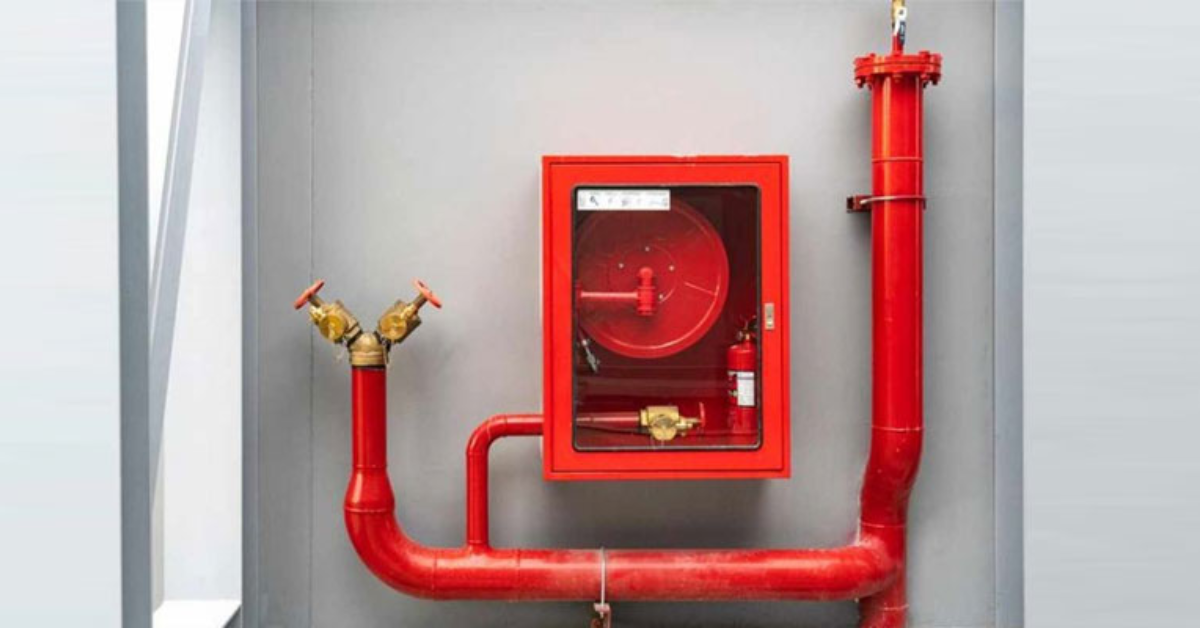
FIRE SAFETY
Install smoke detectors and carbon monoxide detectors in your home or RV and test them regularly. Have a fire extinguisher in a convenient location and know how to use it. Keep flammable objects away from heat sources and practice safe cooking.

PET FRIENDLY TRAVEL
Research pet-friendly accommodations and campsites before traveling with pets. Ensure your pets are up to date on their vaccinations and have proper identification. Remember to pick up after your pets and dispose of waste properly.

PERMANENT FOUNDATION
Consider converting your mobile home to a permanent foundation to enhance its stability. Opt for a foundation with good drainage systems, stable soil, and sturdy support beams. Consult with a licensed contractor for proper installation.

PROPERTY TAXES
Learn about whether or not your mobile home is eligible for the Homestead Exemption on property taxes. Keep your assessed value up to date in Georgia to avoid any discrepancies in tax payments.
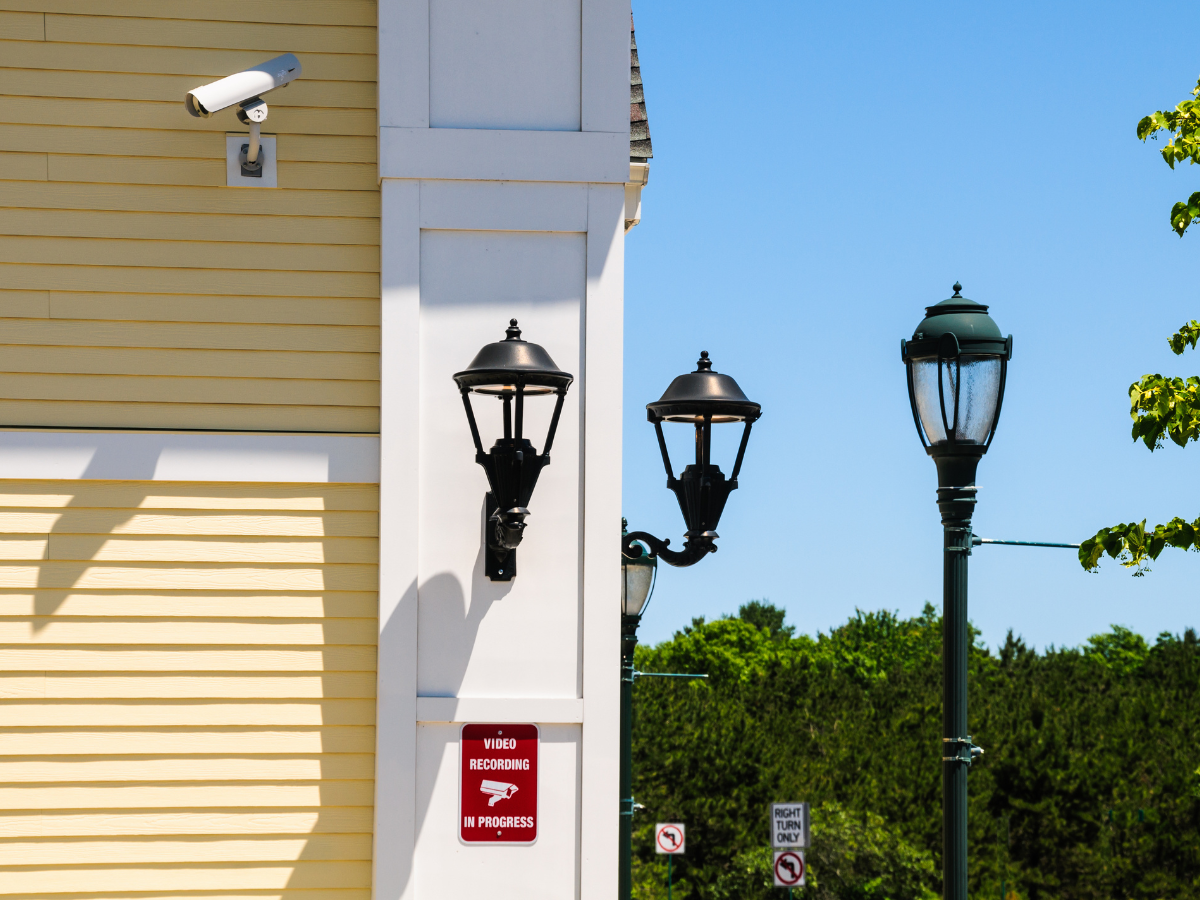
SECURITY MEASURES
Install deadbolt locks and a security alarm. Keep entry and exit points well-lit. Use outdoor lighting and motion sensors to deter theft.

GPS NAVIGATION
Use GPS navigation devices designed for RVs or mobile homes to avoid low bridges and narrow roads. Update your GPS device's maps regularly to ensure accurate directions. Always use caution when using GPS and follow road signs and traffic regulations.
We do insurance better.
And here’s how.
- Save an average of $250 per year
- File a claim in 3 minutes
- Easily manage your policy online
- Skip the faxing, long paperwork, and unnecessary phone calls
- Get support from an American-based team
Are you in Newnan, GA, looking for mobile home insurance
Georgia Mobile Home Facts
Mobile and Manufactured Home Insurance Statistics in Georgia:
- 11% of homes in Georgia are mobile or manufactured.
- These homes are a cost-effective alternative to traditional homes.
Types of Mobile Homes:
- Trailers and RVs are movable.
- Manufactured homes are pre-built and anchored at the site.
- Modular homes are pre-built in parts and assembled on a foundation.
In Georgia, every installer of manufactured and mobile homes must report each installation to the state’s Manufactured Housing Section within the Safety Fire Division three days before the installation is complete and the home is ready for occupancy.
- This report must be made on a specific form provided by the Commissioner and include the installation’s permit number, torque probe test results near each corner of the home, and the soil-bearing capacity measurements that were used to set up the home’s foundation supports.
- This requirement applies to every installation, whether it’s for a new home or a relocation. Additionally, the Commissioner has the authority to request sales reports from retailers and brokers.
- This rule has been updated and modified several times since its original adoption in 1974, with the most recent amendment being effective as of January 1, 2022.
In Georgia, any installer working on a manufactured or mobile home must buy a permit from the Commissioner before starting the job.
- The permit fee is set by state law and the installer must provide necessary information to get this permit, which should be displayed in the home upon completion.
- If manufacturer instructions are missing or unclear, the state’s installation guidelines must be followed, including the provision of a manual with every new home detailing the foundation, anchorage, site preparation, and utility connections.
- The installer is also responsible for ensuring the home is placed on a properly prepared site with good drainage and free of debris.
- Installers licensed in Georgia are exempt from additional electrical and plumbing licenses for tasks covered under their installer license.
- The installer’s responsibilities, unless otherwise written in a contract, do not include skirting, masonry curtain walls, or stairs and landings; these are subject to local codes or separate agreements.
- These rules apply only to homes as defined under Georgia law and have been revised over the years, with the current version effective since December 20, 2004.
Mobile Homes in GA – Did You Know?
- Manufactured homes must be at least 320 square feet with a permanent chassis for transport.
- The Georgia Office of Insurance and Safety Fire Commissioner oversees the industry, ensuring that installations meet safety standards, and performs inspections.
- Homes must have a HUD label as proof that they meet federal construction and safety standards.
The Office of Insurance and Safety Fire Commissioner:
- Oversees the licensing of Manufactured Housing professionals,
- Monitors and evaluates in-plant performance and issues certification labels,
- Issues permits for each installation and performs random inspections on installations performed by each installer,
- Monitors retailer performance,
- Handles consumer complaints,
- Maintains databases of HUD labels, data plates (compliance certificates), & licensed professionals available for search.
Insurance for Manufactured Homes:
- Mobile homes require different insurance coverage than traditional homes because of their transportability and construction.
- Coverage options in Georgia can include structures, personal property, protection from various weather-related events, accidental damage, and loss of use.
Governance of Manufactured Housing:
- The Manufactured Housing Division maintains databases for HUD labels, data plates, and licensed professionals.
- The division handles consumer complaints and monitors both manufacturer and retailer performance.
Manufactured Housing Standards:
All sections of transportable manufactured homes must contain a HUD label, certifying adherence to federal standards that include body, frame, thermal protection, structural integrity, and fire safety.
Licensing and Permit Requirements:
- Professionals in the industry must be licensed and can apply for and renew licenses through the OCI Citizenserve Portal.
- Installation permits are required for each home installed and can be purchased online for $60.00.
- Annual licensing fees are $440 for manufacturers, $300 per retail location for retailers and retail brokers, and $300 for installers.
Consumer Protection:
- Consumers can file complaints through the OCI Citizenserve Portal if issues with their homes are not resolved after contacting the manufacturer, retailer, or installer.
- The Office will review complaints, determine a course of action, and may conduct on-site inspections.
Access to Licensed Professionals:
The public and Local Code Offices can access a current listing of licensed Manufactured Housing Manufacturers, Retailers, and Installers to verify compliance with Georgia law.
Georgia Coastal Property Insurance
Pool - FAIR Plan
Introduction to the FAIR Plan
The Role of the GUA
Mitigation and Incentives

Six Steps to Fortification
- Step 1: Apply – Begin by filling out a free online application, which is the first step toward making your home disaster-resistant.
- Step 2: Schedule an Evaluation: After processing your application, you’ll be directed to certified evaluators. Choose one to assess your home according to the IBHS standards.
- Step 3: Evaluation: The evaluator will conduct a thorough inspection and create a report, which will be used to determine any necessary improvements.
- Step 4: Review the Report: You’ll receive a detailed report outlining the current state of your home and the steps needed to achieve the desired level of fortification.
- Step 5: Implement Improvements: Based on the report, you’ll upgrade your home to meet specific standards. Once completed, an evaluator will verify the improvements.
- Step 6: Obtain Designation: Upon confirmation of the upgrades, you’ll receive a Fortified Designation, qualifying you for potential discounts with the GUA.
The FAIR Plan and the GUA offer Georgians a pathway to insuring homes that the private market may deem too risky. By understanding and utilizing these resources, homeowners can protect their properties and potentially reduce their insurance costs through proven mitigation efforts.
Know Your Rights:
- Georgia Landlord Tenant Handbook
- Insurers Requirements | Department of Revenue
- Older mobile home insurance: What you need to know
- Manufactured Housing Rules and Regulations
- Installation Requirements, Ga. Comp. R. & Regs. 120-3-7-.13
- What Are the Requirements for Mobile Home Insurance?
- Manufactured Housing | Office of the Commissioner of Insurance and Safety Fire
- Manufactured Homes: What Happens If I’m Behind on My Land Lease Payments? | Nolo
- Mobile Home Parks – Consumer Sourcebook | Consumer Protection & Antitrust Bureau | NH Department of Justice
- Georgia Code Title 10. Commerce and Trade § 10-1-679 | FindLaw
- Georgia Code Title 44. Property § 44-14-349 | FindLaw
- What Rights Do Mobile Home Park Tenants Have? – FindLaw
- Columbus, GA
- New GA law will help mobile home park landlords, tenants
- Mobile Home Park Laws and Regulations
Finding the Best Mobile Home Insurance in
Rome, GA.
It's essential to compare quotes from various insurance providers and work with local agencies that understand Rome's specific risks. You also need to be vocal about being able to customize your policy to cover specific needs like monsoon or dust storm damages. Always remember to ask about any available discounts that you may be eligible for!
These are some things you should look out for in an insurance plan for Rome:
Location-Specific Property Crime in Rome, GA
- Rome, GA is a city located in Floyd County, known for its scenic beauty and historical landmarks.
- While Rome has a lower crime rate compared to national averages, it is still important to consider location-specific risks.
- Unique insurance options for property crime in Rome could include:
- Comprehensive coverage for personal property, including valuable items like jewelry or electronics, to protect against theft.
- Coverage for damage to external structures such as sheds or detached garages, which are common targets for theft or vandalism in the area.
- Enhanced security systems and alarms to deter potential thieves.
Weather-Specific Insurance Needs in Rome, GA
- Rome, GA experiences a humid subtropical climate with hot summers and cool winters.
- The area is prone to thunderstorms, occasional heavy rainfall, and the possibility of wind damage.
- Unique insurance options for weather-specific needs in Rome could include:
- Coverage for windstorm damage specifically tailored to the frequency and severity of thunderstorms in the area.
- Additional coverage for water damage caused by heavy rain or flooding, as well as backup of sewers or drains.
Relevant Endorsements for Mobile & Manufactured Home Owners or Renters, and RV Owners in Rome, GA
- Mobile and Manufactured Home Ownership Insurance:
-
-
- Endorsements for coverage specific to mobile or manufactured home features common in Rome, such as awnings or external lighting fixtures.
- Additional coverage for damage caused by fallen trees or branches, which can be more likely in the area due to thunderstorms or strong winds.
-
- Renter’s Insurance:
-
-
- Endorsements for additional coverage specific to renters in Rome, such as coverage for personal property or liability protection.
- Consider adding coverage for temporary living expenses in case of forced relocation due to property damage caused by covered perils, such as severe storms.
-
- RV Insurance:
-
- Endorsements for specialized equipment or accessories unique to your RV common among RV owners in Rome, such as bike racks or satellite dishes.
- Additional coverage for damage caused by hailstorms, which can occur during severe weather events in the area.
Please note that it is still recommended to consult with an insurance professional to understand the best options for your individual needs and circumstances in Rome, GA.
References:
Arizona
Texas
Michigan
New Mexico
Alabama
- Alabaster, AL
- Albertville, AL
- Anniston, AL
- Athens, AL
- Auburn, AL
Georgia
South Carolina
- Aiken, SC
- Anderson, SC
- Beaufort, SC
- Berea, SC
- Bluffton, SC